When it comes to installing pergolas, the choice of tools can significantly impact the efficiency and success of the project. As a well - established auger extension supplier, I've often been asked whether an auger extension can be used for installing pergolas. In this blog, I'll explore this topic in detail, considering the benefits, potential challenges, and best practices.

Understanding Auger Extensions
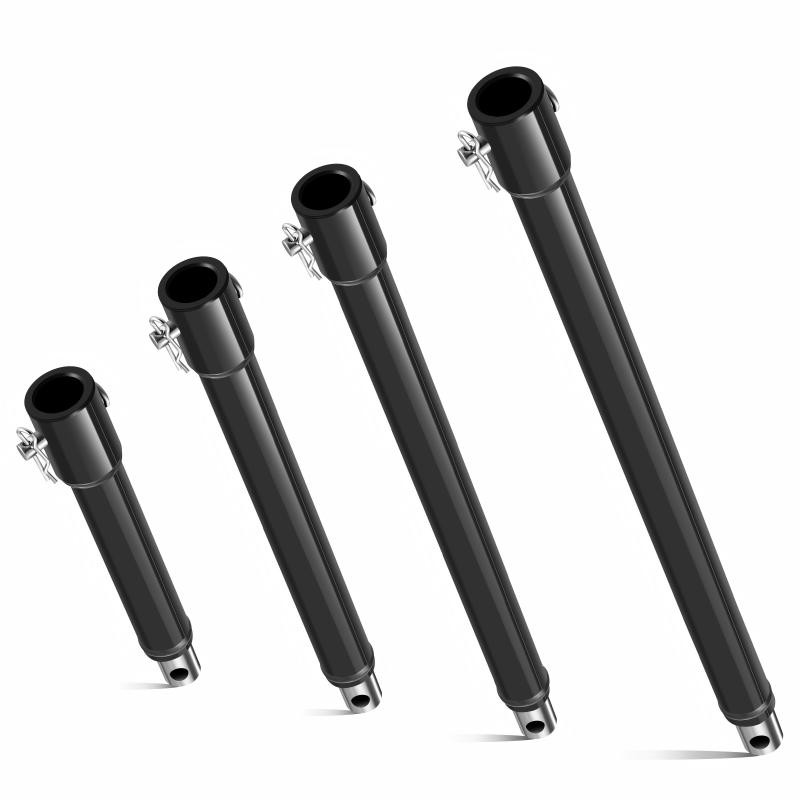
Before delving into their application for pergola installation, let's first understand what auger extensions are. Auger extensions are attachments that can be added to an auger drill to increase its reach. They come in various lengths and diameters, allowing for greater flexibility in different drilling scenarios. There are different types of auger extensions available on the market, such as Auger Bits Extension, Earth Auger Extension, and Digga Extension. Each type has its own unique features and is designed for specific applications.
Benefits of Using Auger Extensions for Pergola Installation
- Increased Depth and Reach
One of the primary advantages of using an auger extension for pergola installation is the ability to drill deeper holes. Pergolas typically require sturdy foundations, and the depth of the holes is crucial for ensuring stability. With an auger extension, you can easily reach the required depth, even in areas where the ground is hard or uneven. This is especially useful when installing pergolas in larger or more complex structures, where deeper footings are necessary. - Versatility
Auger extensions offer great versatility in terms of the types of soil and terrain they can handle. Whether you're working with soft soil, clay, or rocky ground, there's an auger extension that can get the job done. This means that you can use the same equipment for a variety of pergola installation projects, regardless of the location or soil conditions. - Time - Saving
Using an auger extension can significantly reduce the time required for pergola installation. Manual digging of holes can be a labor - intensive and time - consuming process, especially for larger projects. With an auger extension attached to a power drill, you can quickly and efficiently drill multiple holes, allowing you to complete the installation in a shorter period.
Potential Challenges
- Stability and Control
While auger extensions provide increased reach, they can also pose challenges in terms of stability and control. As the length of the auger increases, it becomes more difficult to keep the drill straight and centered during the drilling process. This can result in uneven holes or even damage to the auger or the drilling equipment. To overcome this challenge, it's important to use a high - quality auger extension that is designed to maintain stability and provide good control. - Power Requirements
Using an auger extension may require more power from the drill. The additional length and weight of the extension can put extra strain on the drill motor, especially when drilling through hard soil or rock. It's essential to ensure that your drill has enough power to handle the auger extension and the drilling task at hand. Otherwise, you may experience slow drilling speeds or even motor burnout. - Soil Conditions
In some cases, certain soil conditions can make it difficult to use an auger extension effectively. For example, if the soil is extremely compacted or contains large rocks, the auger may get stuck or damaged. In such situations, it may be necessary to pre - treat the soil or use alternative drilling methods.
Best Practices for Using Auger Extensions in Pergola Installation
- Choose the Right Auger Extension
Selecting the appropriate auger extension is crucial for a successful pergola installation. Consider the depth and diameter of the holes you need to drill, as well as the type of soil and terrain. Make sure to choose an extension that is compatible with your drill and has the necessary strength and durability. - Prepare the Site
Before starting the drilling process, it's important to prepare the site properly. Clear the area of any debris, rocks, or vegetation that may interfere with the drilling. Mark the locations of the holes accurately to ensure that the pergola is installed in the correct position. - Maintain Proper Technique
When using an auger extension, it's essential to maintain proper drilling technique. Hold the drill firmly and keep it as straight as possible during the drilling process. Apply steady pressure and avoid forcing the auger through the soil. If the auger gets stuck, stop the drill immediately and try to remove the obstruction before continuing. - Safety First
Safety should always be a top priority when using any power tools, including auger extensions. Wear appropriate safety gear, such as safety glasses, gloves, and ear protection. Make sure the drill is properly maintained and in good working condition before use. Follow all the manufacturer's instructions and safety guidelines.
Case Studies
Let's take a look at a few real - world examples of how auger extensions have been successfully used for pergola installation.
- Residential Pergola Project
A homeowner in a suburban area wanted to install a pergola in their backyard. The ground was a mix of soft soil and small rocks. By using an Earth Auger Extension, the contractor was able to quickly drill the required holes to the appropriate depth. The project was completed in a timely manner, and the pergola has remained stable and secure since its installation. - Commercial Pergola Installation
A commercial property owner needed to install a large pergola in a public park. The soil was hard and compacted, and the project required deep footings for stability. The construction team used a Digga Extension attached to a powerful drill. Despite the challenging soil conditions, the auger extension allowed them to drill the holes efficiently, and the pergola was installed successfully.
Conclusion
In conclusion, an auger extension can be a valuable tool for pergola installation. It offers numerous benefits, including increased depth and reach, versatility, and time - saving. However, it's important to be aware of the potential challenges and follow best practices to ensure a successful installation. As a trusted auger extension supplier, we offer a wide range of high - quality auger extensions that are designed to meet the needs of various pergola installation projects. If you're planning a pergola installation and need assistance in choosing the right auger extension, or if you have any questions about our products, we encourage you to contact us for a detailed discussion. We're here to help you make the most of your project and ensure its success.
References
- "Power Tools for Construction: A Comprehensive Guide" by John Smith
- "Soil Mechanics and Foundation Engineering" by David Johnson
- Manufacturer's manuals for various auger extensions and drills