In the dynamic landscape of modern business, the supply chain stands as the backbone of any successful enterprise. It is a complex network that encompasses the flow of goods, information, and finances from the point of origin to the point of consumption. As a supplier of hitches, I have witnessed firsthand the various challenges and disruptions that can occur within a supply chain. In this blog post, I will delve into the factors that contribute to hitches in a supply chain and explore how these issues can impact businesses.
Understanding the Supply Chain
Before we can discuss how hitches occur in a supply chain, it is essential to have a clear understanding of what a supply chain entails. A supply chain is a series of interconnected activities and processes that involve multiple stakeholders, including suppliers, manufacturers, distributors, retailers, and customers. The primary goal of a supply chain is to ensure the efficient and effective delivery of products or services to meet customer demand.


The supply chain can be divided into three main components: the upstream, midstream, and downstream. The upstream component involves the sourcing and procurement of raw materials and components from suppliers. The midstream component includes the manufacturing and production processes, where the raw materials are transformed into finished products. The downstream component focuses on the distribution and delivery of the finished products to the end customers.
Factors Contributing to Hitches in a Supply Chain
There are several factors that can contribute to hitches in a supply chain. These factors can be categorized into internal and external factors.
Internal Factors
- Inventory Management Issues: Poor inventory management can lead to stockouts or overstocking, both of which can disrupt the supply chain. Stockouts can result in lost sales and dissatisfied customers, while overstocking can tie up capital and increase storage costs.
- Production Delays: Delays in the production process can be caused by various factors, such as equipment breakdowns, labor shortages, or quality control issues. These delays can lead to missed delivery deadlines and impact the overall efficiency of the supply chain.
- Communication Breakdowns: Effective communication is crucial for the smooth operation of a supply chain. Miscommunication or lack of communication between different stakeholders can lead to misunderstandings, delays, and errors.
- Lack of Visibility: Without real-time visibility into the supply chain, it can be challenging to identify and address potential issues. Lack of visibility can also make it difficult to track inventory levels, monitor production progress, and manage supplier relationships.
External Factors
- Natural Disasters: Natural disasters, such as earthquakes, floods, hurricanes, and wildfires, can have a significant impact on the supply chain. These events can disrupt transportation networks, damage manufacturing facilities, and cause shortages of raw materials.
- Political and Economic Instability: Political unrest, trade disputes, and economic downturns can create uncertainty and volatility in the global market. These factors can affect the availability and cost of raw materials, as well as the demand for finished products.
- Supplier Issues: Problems with suppliers, such as quality issues, delivery delays, or financial difficulties, can have a ripple effect on the entire supply chain. A single supplier failure can disrupt the production process and lead to delays in delivering products to customers.
- Technological Disruptions: Rapid advancements in technology can both create opportunities and pose challenges for the supply chain. New technologies, such as artificial intelligence, blockchain, and the Internet of Things (IoT), can improve efficiency and visibility, but they also require significant investment and adaptation.
Impact of Hitches in a Supply Chain
The occurrence of hitches in a supply chain can have far-reaching consequences for businesses. Some of the key impacts include:
- Financial Losses: Disruptions in the supply chain can result in lost sales, increased costs, and reduced profitability. For example, stockouts can lead to lost revenue, while production delays can increase labor and overhead costs.
- Customer Dissatisfaction: When products are not delivered on time or do not meet quality standards, customers are likely to be dissatisfied. This can damage the company's reputation and lead to a loss of customer loyalty.
- Supply Chain Disruptions: Hitches in one part of the supply chain can have a domino effect on other parts of the chain. For example, a delay in the delivery of raw materials can cause a delay in production, which can then lead to a delay in the delivery of finished products to customers.
- Competitive Disadvantage: Businesses that are unable to manage their supply chains effectively may find themselves at a competitive disadvantage. In today's global market, customers expect fast and reliable delivery of high-quality products at competitive prices. Companies that cannot meet these expectations may lose market share to their competitors.
Types of Hitches in the Hitch Supply Chain
As a hitch supplier, I have encountered various types of hitches in the supply chain. Some of the common types of hitches include:
- Single Pin Hitch: A Single Pin Hitch is a simple and widely used type of hitch. It consists of a single pin that connects the trailer to the towing vehicle. Single pin hitches are relatively easy to install and use, but they may not provide as much stability as other types of hitches.
- Double Pin Hitch: A Double Pin Hitch is a more advanced type of hitch that uses two pins to connect the trailer to the towing vehicle. Double pin hitches provide greater stability and security than single pin hitches, making them suitable for heavier loads.
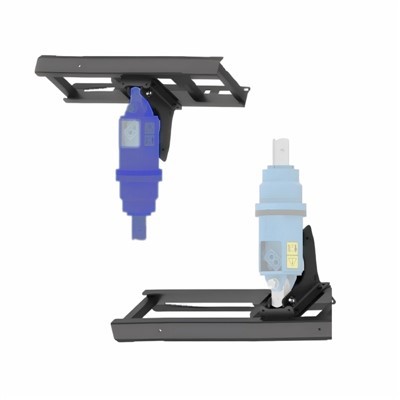
- Double Pin Cradle Hitch: A Double Pin Cradle Hitch is a specialized type of hitch that is designed to provide maximum stability and support for heavy trailers. It features a cradle-like structure that holds the trailer in place and reduces the risk of swaying or bouncing.
Strategies for Mitigating Hitches in a Supply Chain
While it is impossible to completely eliminate the risk of hitches in a supply chain, there are several strategies that businesses can adopt to mitigate their impact. Some of these strategies include:
- Supply Chain Visibility: Implementing a supply chain visibility solution can provide real-time insights into the movement of goods, inventory levels, and production progress. This can help businesses identify potential issues early and take proactive measures to address them.
- Supplier Relationship Management: Building strong relationships with suppliers is essential for ensuring a reliable and efficient supply chain. Businesses should work closely with their suppliers to establish clear communication channels, set performance targets, and develop contingency plans in case of disruptions.
- Inventory Optimization: Adopting inventory optimization techniques, such as just-in-time (JIT) inventory management and safety stock planning, can help businesses reduce inventory costs while ensuring that they have enough stock to meet customer demand.
- Risk Management: Developing a comprehensive risk management strategy can help businesses identify, assess, and mitigate potential risks in the supply chain. This may include conducting risk assessments, implementing risk mitigation measures, and establishing emergency response plans.
- Technology Adoption: Leveraging technology, such as artificial intelligence, blockchain, and IoT, can help businesses improve the efficiency and visibility of their supply chains. These technologies can automate processes, reduce errors, and provide real-time data and analytics.
Conclusion
In conclusion, hitches in a supply chain can occur due to a variety of internal and external factors. These disruptions can have a significant impact on businesses, including financial losses, customer dissatisfaction, and competitive disadvantage. As a hitch supplier, I understand the importance of managing the supply chain effectively to ensure the timely and reliable delivery of high-quality products to customers.
By implementing strategies such as supply chain visibility, supplier relationship management, inventory optimization, risk management, and technology adoption, businesses can mitigate the impact of hitches in the supply chain and improve their overall performance. If you are interested in learning more about our hitch products or discussing your supply chain needs, please feel free to contact us. We look forward to the opportunity to work with you and help you overcome any challenges in your supply chain.
References
- Chopra, S., & Meindl, P. (2016). Supply Chain Management: Strategy, Planning, and Operation. Pearson.
- Christopher, M. (2016). Logistics & Supply Chain Management. Pearson.
- Simchi-Levi, D., Kaminsky, P., & Simchi-Levi, E. (2008). Designing and Managing the Supply Chain: Concepts, Strategies, and Case Studies. McGraw-Hill.