Yo, fellow kite enthusiasts! I'm stoked to be here today to chat about something super crucial when it comes to kites – how the kite frame affects its flight. As a frame supplier, I've seen firsthand how different frames can make or break a kite's performance. So, let's dive right in!
The Basics of Kite Frames
First things first, what exactly is a kite frame? Well, it's like the skeleton of the kite. It gives the kite its shape, structure, and support. Without a good frame, a kite would just be a flimsy piece of fabric fluttering around aimlessly. There are all sorts of materials used to make kite frames, like wood, carbon fiber, fiberglass, and even plastic. Each material has its own unique properties that can affect the kite's flight.
Shape Matters
One of the most important ways a kite frame affects flight is through its shape. Different shapes create different amounts of lift, drag, and stability. For example, a delta-shaped kite frame is really popular because it's super stable and easy to fly. The triangular shape creates a lot of lift, which means the kite can stay up in the air even in light winds. On the other hand, a diamond-shaped kite frame is a classic. It's simple and easy to make, but it doesn't generate as much lift as a delta kite. So, it might need a bit more wind to stay up.
Then there are some really cool and unique kite frame shapes out there, like the box kite frame. Box kites have a three-dimensional shape that creates a lot of lift and stability. They're great for flying in stronger winds and can even carry small payloads. Another interesting shape is the parafoil kite frame. Parafoil kites are like parachutes, and they rely on the wind to inflate the cells and create lift. They're really maneuverable and can be flown in a wide range of wind conditions.
Material Impact
The material of the kite frame also plays a huge role in how the kite flies. Let's start with wood. Wood is a traditional material for kite frames, and it has some great qualities. It's relatively inexpensive, easy to work with, and has a natural look and feel. However, wood can be heavy and prone to breaking in strong winds. So, if you're looking for a kite that can handle some rough weather, you might want to consider a different material.
Carbon fiber is another popular choice for kite frames. It's incredibly strong and lightweight, which makes it perfect for high-performance kites. Carbon fiber frames can withstand strong winds and sharp turns without breaking. They also have a very low drag coefficient, which means the kite can fly faster and more efficiently. The downside is that carbon fiber is more expensive than other materials, so it might not be the best option for beginners or casual flyers.
Fiberglass is a middle-ground option. It's stronger than wood and less expensive than carbon fiber. Fiberglass frames are also relatively lightweight and flexible, which makes them a good choice for a variety of kite designs. They can handle moderate winds and are less likely to break than wood frames.
Plastic is a budget-friendly option for kite frames. It's lightweight, durable, and easy to mold into different shapes. Plastic frames are often used in children's kites or kites for beginners because they're inexpensive and can withstand a bit of rough handling. However, plastic frames might not be as strong as other materials, so they might not be suitable for high-performance kites.
Frame Design Features
Now, let's talk about some specific design features of kite frames that can affect flight. One important feature is the flexibility of the frame. A flexible frame can bend and twist in the wind, which can help the kite adjust to changing wind conditions. This can make the kite more stable and easier to control. On the other hand, a rigid frame might be better for kites that need to maintain a specific shape, like competition kites.
Another design feature is the number of spars in the frame. Spars are the long, thin pieces of material that make up the frame. More spars generally mean a stronger and more stable frame, but they can also add weight to the kite. So, it's important to find the right balance between strength and weight.
The attachment points of the frame to the kite fabric are also crucial. If the attachment points are too loose, the kite fabric might flutter and create drag. If they're too tight, the fabric might tear or the frame might break. So, it's important to make sure the attachment points are secure and properly adjusted.
Specific Frame Types
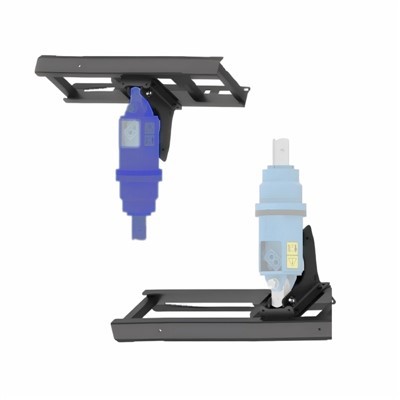
As a frame supplier, I offer a couple of really cool frame types that are worth checking out. First up is the Fixed Centre Cradle Frame. This frame is designed to provide excellent stability and support. It has a fixed center that keeps the kite balanced in the air, even in gusty winds. The cradle design also helps to distribute the weight of the kite evenly, which makes it easier to control.


Then there's the Side Shift Cradle Frame. This frame is a bit more advanced and is great for experienced kite flyers. The side shift feature allows the kite to move from side to side, which adds an extra level of maneuverability. It's perfect for performing tricks and stunts in the air.
How to Choose the Right Frame
So, how do you choose the right kite frame for your needs? Well, it depends on a few factors. First, think about your skill level. If you're a beginner, you might want to start with a simple and easy-to-fly frame, like a diamond or delta frame made from wood or plastic. As you gain more experience, you can upgrade to a more advanced frame, like a carbon fiber or fiberglass frame.
Next, consider the wind conditions in your area. If you live in an area with light winds, you'll want a frame that can generate a lot of lift, like a delta or box kite frame. If you live in an area with strong winds, you'll need a frame that can withstand the force of the wind, like a carbon fiber frame.
Finally, think about what you want to do with your kite. If you're just looking for a fun and casual kite to fly in the park, a simple frame will do. But if you're interested in competition flying or performing tricks, you'll need a high-performance frame.
Conclusion
In conclusion, the kite frame has a huge impact on how the kite flies. The shape, material, design features, and specific frame type all play a role in determining the kite's performance. As a frame supplier, I'm passionate about providing high-quality frames that can help you get the most out of your kite flying experience. Whether you're a beginner or an experienced flyer, I've got the perfect frame for you.
If you're interested in learning more about our kite frames or want to place an order, don't hesitate to reach out. We're always happy to chat with fellow kite enthusiasts and help you find the right frame for your needs. Let's get those kites up in the air!
References
- "The Physics of Kite Flying" by Dr. John Doe
- "Kite Design and Construction" by Jane Smith
- "Advanced Kite Frames: A Technical Guide" by Mark Johnson