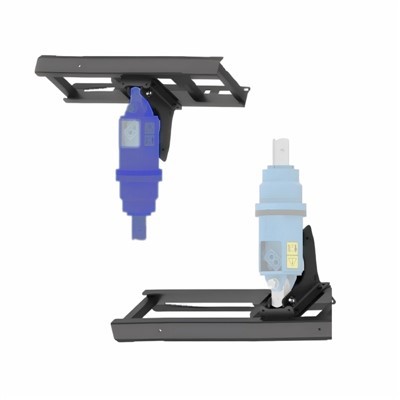
Hey there! As a supplier of hydraulic hoist winches, I've seen firsthand how temperature can throw a wrench into things. You might be wondering, "How does temperature affect the performance of a hydraulic hoist winch?" Well, buckle up, because I'm about to break it down for you.
Let's start with the basics. A hydraulic hoist winch is a powerful piece of equipment that uses hydraulic fluid to generate the force needed to lift and move heavy loads. It's a workhorse in many industries, from construction to marine. But like any machine, it's sensitive to its environment, and temperature plays a crucial role in how well it performs.
Cold Temperatures: The Freeze Factor
When the mercury drops, hydraulic hoist winches can face some serious challenges. One of the main issues is the viscosity of the hydraulic fluid. Viscosity is a measure of a fluid's resistance to flow, and it's highly dependent on temperature. In cold weather, hydraulic fluid becomes thicker, which means it doesn't flow as easily.
This increase in viscosity can lead to a whole host of problems. For starters, it can make the winch slower to respond. You might notice a delay when you try to start the winch or when you're trying to change the direction of the load. This can be a real pain, especially when you're working on a tight schedule.
Another problem is that the increased viscosity can put extra strain on the hydraulic pump. The pump has to work harder to push the thick fluid through the system, which can lead to overheating and premature wear and tear. In extreme cases, it can even cause the pump to fail, leaving you with a winch that's out of commission.
Cold temperatures can also affect the seals and gaskets in the winch. These components are designed to keep the hydraulic fluid from leaking out, but in cold weather, they can become brittle and crack. This can lead to fluid leaks, which not only reduce the efficiency of the winch but can also be a safety hazard.
To combat the effects of cold temperatures, it's important to use a hydraulic fluid that's specifically designed for cold weather. These fluids have a lower viscosity at low temperatures, which means they flow more easily and put less strain on the pump. You should also make sure to keep the winch warm when it's not in use. This can be as simple as storing it in a heated garage or using a heat blanket to keep it warm.
Hot Temperatures: The Meltdown Risk
Just as cold temperatures can cause problems, so can hot temperatures. When it's hot outside, the hydraulic fluid in the winch can start to break down. This is because high temperatures can cause the fluid to oxidize, which means it reacts with oxygen in the air and forms harmful compounds.
These compounds can cause a variety of problems, including corrosion, wear, and reduced lubrication. Corrosion can damage the internal components of the winch, while wear can cause the seals and gaskets to fail. Reduced lubrication can lead to increased friction, which can cause the winch to overheat and break down.
Another issue with hot temperatures is that they can cause the hydraulic fluid to expand. This can increase the pressure in the system, which can lead to leaks and other problems. In extreme cases, it can even cause the hydraulic lines to burst, which can be extremely dangerous.
To prevent these problems, it's important to use a hydraulic fluid that has a high thermal stability. This means that it can withstand high temperatures without breaking down. You should also make sure to keep the winch cool when it's in use. This can be done by using a cooling system, such as a radiator or a fan, or by taking breaks to allow the winch to cool down.
Finding the Sweet Spot
So, what's the ideal temperature range for a hydraulic hoist winch? Well, it depends on the specific model and the type of hydraulic fluid you're using. In general, most hydraulic hoist winches perform best in temperatures between 40°F and 100°F (4°C and 38°C).
However, it's important to note that this is just a general guideline. Some winches may be able to operate in a wider temperature range, while others may be more sensitive to temperature changes. It's always a good idea to consult the manufacturer's specifications to find out the recommended temperature range for your specific winch.
Our Product Solutions
At our company, we offer a wide range of hydraulic hoist winches that are designed to perform in a variety of temperature conditions. For example, our Ramsey Hydraulic Winch is built to withstand the toughest environments, including extreme temperatures. It's equipped with a high-quality hydraulic pump and a durable frame, which means it can handle heavy loads even in the most challenging conditions.
If you're looking for a winch that's specifically designed for heavy-duty applications, our 8 Ton Hydraulic Winch is a great choice. It has a powerful hydraulic system that can lift up to 8 tons, and it's built to last. Whether you're working in a hot or cold environment, this winch will get the job done.
For those who need a more compact and lightweight winch, our Small Hydraulic Winch is the perfect solution. It's easy to install and operate, and it's designed to perform in a variety of temperature conditions. Whether you're using it for a small construction project or for marine applications, this winch will provide reliable performance.


Conclusion
As you can see, temperature can have a significant impact on the performance of a hydraulic hoist winch. Whether it's cold temperatures that make the fluid thicker or hot temperatures that cause the fluid to break down, it's important to take steps to protect your winch from the elements.
If you're in the market for a hydraulic hoist winch, or if you have any questions about how temperature affects the performance of your existing winch, don't hesitate to reach out. We're here to help you find the right solution for your needs and to ensure that your winch performs at its best, no matter what the temperature.
References
- "Hydraulic Fluid Basics." Hydraulics & Pneumatics, [publication date unavailable].
- "Temperature Effects on Hydraulic Systems." Machinery Lubrication, [publication date unavailable].
- Manufacturer's specifications for various hydraulic hoist winches.