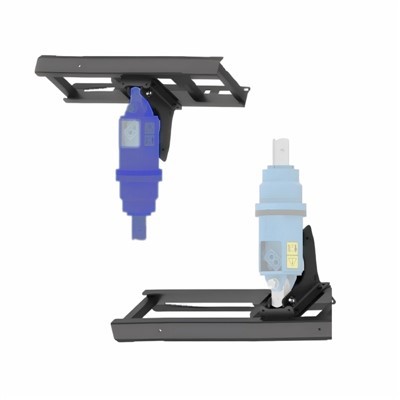
Adaptability is a cornerstone of success in the realm of earth boring operations. As an experienced earth auger bits supplier, we understand the importance of ensuring that your auger bits are not just tools but are tailored to the various drills they are intended to work with. This blog will guide you through the process of adapting earth auger bits for different drill types, providing you with practical tips and insights.
Understanding Drill Types
Before adapting auger bits, it's essential to understand the different drill types available. The most common ones include handheld drills, skid - steer drills, and tractor - mounted drills. Handheld drills are lightweight and highly portable, making them ideal for small - scale projects such as gardening or installing small fencing posts. Skid - steer drills, on the other hand, are more powerful and are often used in construction and landscaping projects where significant digging depth and width are required. Tractor - mounted drills are the heavy - hitters, suitable for large - scale agricultural and construction sites.
Adapting for Handheld Drills
Handheld drills usually have a lower power output compared to larger drill types. Therefore, the auger bits for these drills need to be carefully selected. For handheld drills, we recommend using lighter - weight auger bits. Heavy Duty Auger Bits might be too large and heavy for handheld drills, as they can make the drill difficult to handle and could potentially overload the motor.
The diameter of the auger bit is crucial. A bit with a diameter of 2 - 6 inches is generally suitable for handheld drills. Smaller diameters are easier for the drill to turn, reducing the strain on the motor. Additionally, the cutting edge of the bit should be sharp and made of high - quality steel. This ensures efficient cutting into the soil with minimal resistance.
It's also important to check the drill's chuck size. The auger bit's shank must fit snugly into the chuck. Most handheld drills have either a 3/8 - inch or 1/2 - inch chuck. Make sure to choose an auger bit with a compatible shank size.
Adapting for Skid - Steer Drills
Skid - steer drills can generate a substantial amount of torque and power. For these drills, you can use more robust auger bits. Digga Auger Bits are a great option as they are designed for high - performance applications. These bits are typically made from high - strength materials that can withstand the strong forces exerted by skid - steer drills.
The diameter of the auger bit for skid - steer drills can range from 6 inches to 24 inches or even larger, depending on the specific project requirements. However, when choosing a larger - diameter bit, it's important to ensure that the skid - steer drill has enough power to turn it effectively.
Another aspect to consider is the connection between the auger bit and the skid - steer. Most skid - steer drills use a quick - attach system. Make sure the auger bit has a compatible attachment mechanism. This allows for easy and secure mounting of the bit, reducing the risk of detachment during operation.
Adapting for Tractor - Mounted Drills
Tractor - mounted drills are used for large - scale earth - boring operations. They can handle extremely heavy - duty tasks and are often used in agricultural and construction projects. When adapting auger bits for tractor - mounted drills, Rock Auger Bits are a top choice if the soil contains rocks or hard - packed material.
These bits are designed with extra - strong teeth and a reinforced body to break through tough terrain. The size of the auger bit for tractor - mounted drills can vary widely, from small - diameter bits for precision work to large - diameter bits for creating large holes quickly.
The power take - off (PTO) of the tractor is an important consideration. The rotational speed and torque provided by the PTO must be compatible with the auger bit. If the PTO speed is too high or too low, it can affect the drilling efficiency and cause premature wear on the bit.
Compatibility Checks
Regardless of the drill type, there are several compatibility checks you should perform before using an auger bit. First, examine the shank of the auger bit. The shank must match the drill's chuck or attachment mechanism precisely. A loose or misfit shank can lead to wobbling during operation, which can cause inaccurate holes and potential damage to the drill and the bit.
Second, consider the thread type. Some auger bits use different thread types for connection. Make sure the thread on the bit matches the thread on the drill's spindle or adapter.
Third, check the maximum torque rating of the drill. The auger bit's size and the type of material it will be drilling through will determine the torque required. Exceeding the drill's torque rating can lead to motor failure.
Maintenance for Adapted Auger Bits
Proper maintenance is crucial for both the auger bits and the drills. After each use, clean the auger bit thoroughly to remove any dirt, debris, or mud. This helps prevent corrosion and ensures smooth operation in the next use.
Inspect the cutting edges of the bit regularly. If they are dull or damaged, sharpen or replace them as needed. A sharp cutting edge not only improves drilling efficiency but also reduces the strain on the drill.
For the drill, follow the manufacturer's maintenance schedule. This may include oil changes, filter replacements, and inspections of the electrical or hydraulic components.
Conclusion
Adapting earth auger bits for different drill types is a process that requires careful consideration of the drill's characteristics, the project requirements, and the bit's specifications. By following the guidelines outlined in this blog, you can ensure that your auger bits work seamlessly with your drills, leading to more efficient and successful earth - boring operations.
If you are interested in purchasing high - quality earth auger bits that are designed to be adaptable to different drill types, we invite you to contact us for procurement and further discussions. Our team of experts is ready to assist you in finding the perfect auger bits for your needs.


References
- Industry standards for earth auger bits and drill compatibility
- Manufacturer's manuals for various drill types and auger bits