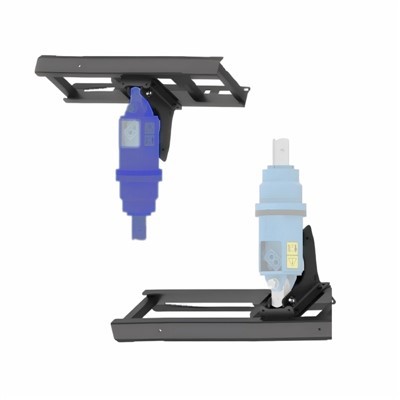
How to Choose the Right Auger Extension
As a seasoned supplier of auger extensions, I've witnessed firsthand the pivotal role these tools play in various industries, from construction and landscaping to agriculture. Selecting the appropriate auger extension is not merely a matter of preference; it's a decision that can significantly impact the efficiency, safety, and success of your projects. In this comprehensive guide, I'll share my insights and expertise to help you navigate the complexities of choosing the right auger extension for your specific needs.
Understanding Auger Extensions
Before delving into the selection process, it's essential to understand what auger extensions are and how they function. An auger extension is a cylindrical attachment that extends the length of an auger bit, allowing you to reach greater depths without the need for a longer auger. This is particularly useful in situations where space limitations or the nature of the project require a longer reach.
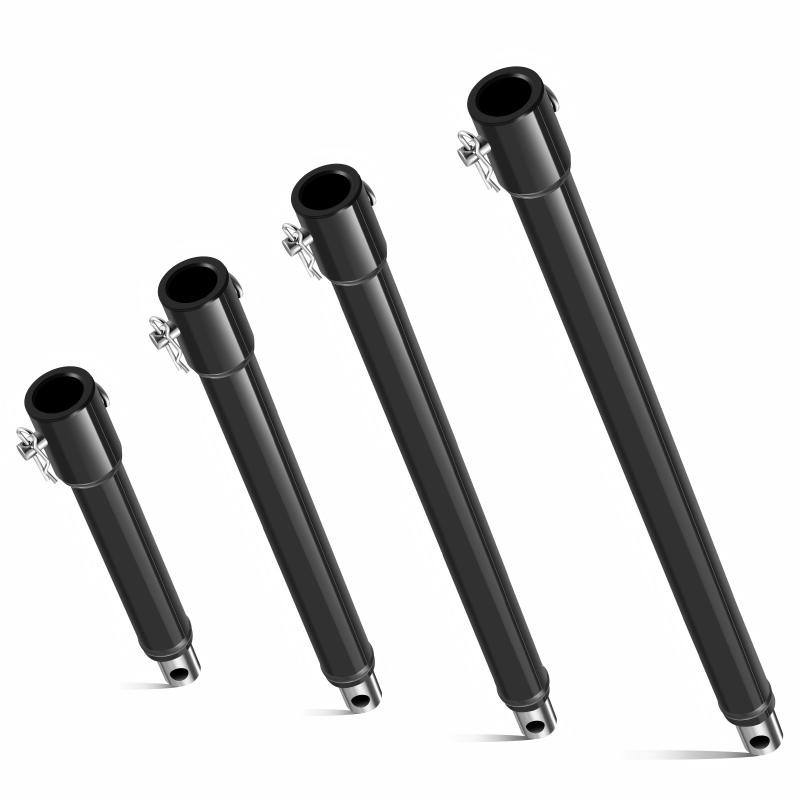
Auger extensions come in a variety of sizes, materials, and designs, each tailored to specific applications. Some common types of auger extensions include Auger Bits Extension, Earth Auger Extension, and Digga Extension. Each type has its own unique features and benefits, so it's important to choose the one that best suits your requirements.
Factors to Consider When Choosing an Auger Extension
Depth Requirements
The first and most crucial factor to consider when choosing an auger extension is the depth you need to reach. Measure the depth of the hole you need to drill and select an extension that can provide the necessary length. Keep in mind that the total length of the auger and extension should not exceed the recommended maximum length for your equipment to ensure safe and efficient operation.
Diameter Compatibility
Another important consideration is the diameter of the auger bit and the extension. The extension must be compatible with the diameter of the auger bit to ensure a proper fit and prevent any issues during operation. Most auger extensions are designed to fit standard auger bit sizes, but it's always a good idea to double-check the specifications before making a purchase.
Material and Durability
The material of the auger extension plays a significant role in its durability and performance. Auger extensions are typically made from high-quality steel or other durable materials that can withstand the rigors of heavy use. Consider the type of soil or material you'll be drilling through and choose an extension that is made from a material that can handle the job. For example, if you'll be drilling through hard rock or concrete, you'll need an extension that is made from a stronger and more durable material.
Connection Type
The connection type between the auger bit and the extension is also an important factor to consider. There are several different types of connections available, including quick-connect, threaded, and pin-style connections. Each type has its own advantages and disadvantages, so it's important to choose the one that is most suitable for your equipment and application. Quick-connect connections are the most convenient and easy to use, but they may not be as secure as threaded or pin-style connections.
Weight and Balance
The weight and balance of the auger extension can also affect its performance and ease of use. A heavy extension can make it more difficult to maneuver the auger, especially in tight spaces or when working at an angle. On the other hand, a lightweight extension may not provide enough stability and may cause the auger to vibrate or wobble during operation. Consider the weight and balance of the extension and choose one that is comfortable to use and provides the necessary stability.

Types of Auger Extensions
Standard Auger Extensions
Standard auger extensions are the most common type of extension and are suitable for a wide range of applications. They are typically made from high-quality steel and are available in a variety of lengths and diameters. Standard auger extensions are designed to fit most standard auger bits and are easy to install and remove.
Heavy-Duty Auger Extensions
Heavy-duty auger extensions are designed for more demanding applications, such as drilling through hard rock or concrete. They are made from stronger and more durable materials and are typically thicker and heavier than standard auger extensions. Heavy-duty auger extensions are more expensive than standard extensions, but they offer greater durability and performance.
Telescopic Auger Extensions
Telescopic auger extensions are a unique type of extension that can be adjusted to different lengths. They are ideal for applications where you need to drill holes at different depths or in areas where space is limited. Telescopic auger extensions are more expensive than standard extensions, but they offer greater versatility and flexibility.
Tips for Using Auger Extensions
Read the Manufacturer's Instructions
Before using an auger extension, it's important to read the manufacturer's instructions carefully. The instructions will provide you with important information about the proper installation, operation, and maintenance of the extension. Following the manufacturer's instructions will help ensure the safe and efficient use of the extension and prevent any damage to your equipment.
Inspect the Extension Before Use
Before using the auger extension, inspect it carefully for any signs of damage or wear. Check the connection between the auger bit and the extension to make sure it is secure and tight. Look for any cracks, bends, or other damage that could affect the performance or safety of the extension. If you notice any damage, do not use the extension and contact the manufacturer for replacement parts or a new extension.
Use the Right Equipment
Using the right equipment is essential for the safe and efficient use of an auger extension. Make sure your auger is powerful enough to handle the length and diameter of the extension. Use a drill with a variable speed control to adjust the speed of the auger based on the type of soil or material you're drilling through. Always wear appropriate safety gear, such as gloves, safety glasses, and a hard hat, when using an auger extension.
Maintain the Extension Regularly
Regular maintenance is essential for the longevity and performance of the auger extension. After each use, clean the extension thoroughly to remove any dirt, debris, or other contaminants. Lubricate the connection between the auger bit and the extension to prevent rust and corrosion. Inspect the extension regularly for any signs of wear or damage and replace any worn or damaged parts as needed.
Conclusion
Choosing the right auger extension is a critical decision that can have a significant impact on the success of your projects. By considering the factors outlined in this guide and choosing an extension that is suitable for your specific needs, you can ensure the safe and efficient use of your auger and achieve the best possible results. If you have any questions or need further assistance in choosing the right auger extension, please don't hesitate to contact us. We're here to help you find the perfect solution for your drilling needs.
References
- "Auger Drilling Equipment: A Comprehensive Guide." Construction Equipment Guide, [Publication Date].
- "How to Choose the Right Auger for Your Project." Landscaping Network, [Publication Date].
- "Tips for Using Auger Extensions Safely and Effectively." DIY Network, [Publication Date].