Corporate events are crucial for businesses, serving as platforms to showcase products, network with partners, and engage with clients. However, like any complex undertaking, they are prone to hitches. As a hitches supplier, I've witnessed firsthand the challenges that can arise during corporate events and have developed effective strategies to handle them. In this blog, I'll share some insights on how to manage hitches in a corporate event, drawing on my experience in the industry.
Anticipating Potential Hitches
The first step in handling hitches is to anticipate them. By conducting a thorough risk assessment before the event, you can identify potential issues and develop contingency plans. Here are some common hitches that can occur during corporate events:
Technical Failures
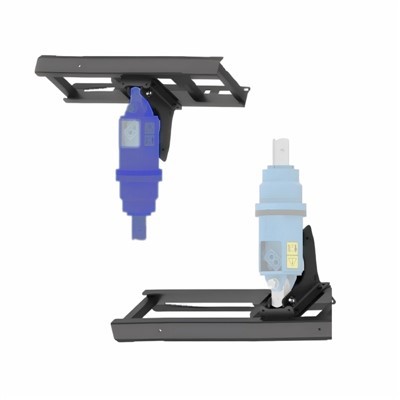
Technical problems such as audio - visual malfunctions, internet outages, or equipment breakdowns can disrupt the flow of the event. To mitigate these risks, it's essential to test all technical equipment well in advance. For example, check the sound system, projectors, and microphones during a rehearsal. Have backup equipment on standby, like extra laptops and projectors. As a hitches supplier, I understand the importance of reliability, and just as we ensure the quality of our Single Pin Hitch and Double Pin Hitch, event organizers should ensure the technical setup is of the highest standard.
Attendance Issues
Low attendance can be a significant setback for a corporate event. This could be due to poor marketing, scheduling conflicts, or unforeseen circumstances. To address this, start promoting the event well in advance through multiple channels, including social media, email marketing, and industry publications. Provide early - bird incentives and clear communication about the event's value proposition. If attendance is lower than expected on the day, consider adjusting the format, such as having more interactive sessions or smaller group discussions.
Logistics Problems
Logistics can be a nightmare if not properly managed. Issues like delayed catering, transportation problems, or incorrect seating arrangements can cause chaos. Plan your logistics meticulously, from the venue setup to the arrival and departure of guests. Have a dedicated team to handle logistics on the day of the event. For instance, ensure that the catering company has a clear schedule and backup options in case of any delays. Similar to how we design our Double Pin Cradle Hitch with precision, every aspect of event logistics should be carefully planned.
Speaker or Presenter Problems
Speakers may cancel at the last minute, arrive late, or not meet the expected standards. To avoid this, have a contract with speakers that includes clear terms and penalties for non - compliance. Have a list of backup speakers who can step in if needed. Communicate regularly with speakers before the event to ensure they are well - prepared.
Responding to Hitches in Real - Time
Despite your best efforts, hitches may still occur during the event. How you respond in real - time can make a significant difference in the overall success of the event.
Stay Calm and Composed
As an event organizer or a key team member, it's crucial to stay calm. Your demeanor sets the tone for the rest of the team. Panicking will only exacerbate the situation. Take a deep breath, assess the problem, and then take action.
Communicate Effectively
Keep all relevant parties informed about the situation. This includes your team, speakers, sponsors, and attendees. If there is a technical issue, let the audience know that you are working on it and provide an estimated time for resolution. Transparent communication helps to build trust and reduces anxiety.
Implement Contingency Plans
If you've anticipated potential hitches and developed contingency plans, now is the time to put them into action. For example, if a speaker cancels, quickly bring in a backup speaker or adjust the schedule to accommodate other activities.
Be Flexible and Adaptable
Sometimes, the best - laid plans may need to be adjusted on the fly. Be open to changing the event format or schedule if necessary. For instance, if the weather is bad and an outdoor activity is planned, move it indoors and modify the program accordingly.
Post - Event Evaluation
After the event is over, it's important to conduct a post - event evaluation. This will help you learn from the hitches and improve future events.
Gather Feedback
Collect feedback from attendees, speakers, sponsors, and your team. Use surveys, interviews, or focus groups to gather insights. Ask specific questions about what went well and what could have been improved.
Analyze the Data
Review the feedback and identify patterns or common issues. Look for areas where hitches occurred and determine the root causes. For example, if there were multiple technical failures, you may need to invest in better equipment or more comprehensive testing procedures.
Make Improvements
Based on your analysis, make changes to your event planning process. Update your risk assessment, contingency plans, and operational procedures. Continuously strive to improve the quality of your events.
Leveraging Your Experience as a Hitches Supplier
As a hitches supplier, I've learned that quality, reliability, and adaptability are key. Just as we ensure that our hitches are built to withstand various conditions, event organizers should build events that can handle unforeseen challenges. Our products, such as the Single Pin Hitch, Double Pin Hitch, and Double Pin Cradle Hitch, are designed with precision and durability in mind. These same principles can be applied to event planning.
In the event industry, having a reliable supplier is also crucial. Just as we are committed to providing high - quality hitches, we understand the importance of being a trusted partner for event organizers. Whether it's ensuring timely delivery of equipment or providing technical support, we strive to meet and exceed our clients' expectations.


Conclusion
Handling hitches in a corporate event is a complex but manageable task. By anticipating potential issues, responding effectively in real - time, and conducting a thorough post - event evaluation, you can minimize the impact of hitches and ensure the success of your event. As a hitches supplier, I'm committed to helping event organizers create seamless events. If you're in the process of planning a corporate event and need reliable hitches or advice on handling potential challenges, I encourage you to reach out. We can have a detailed discussion about your specific needs and how our products and expertise can contribute to the success of your event.
References
- Event Planning Handbook: Best Practices for Successful Events. [Author's Name], [Publication Year]
- Risk Management in the Event Industry. [Research Institute], [Report Year]