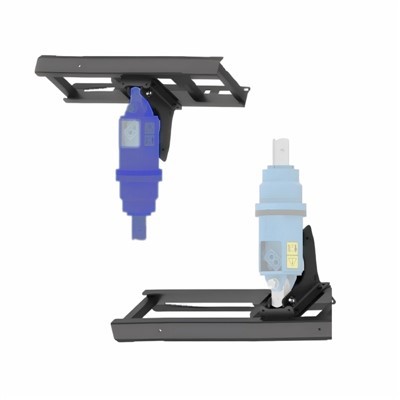
As a seasoned supplier of auger wear parts, I've witnessed firsthand the critical role these components play in the efficiency and longevity of auger systems. Augers are widely used in various industries, including construction, agriculture, and mining, to drill holes in the ground. Over time, the constant interaction with different types of soil, rocks, and other materials causes wear and tear on the auger's parts. Understanding the common types of auger wear parts is essential for ensuring optimal performance and minimizing downtime. In this blog post, I'll delve into the most prevalent auger wear parts, their functions, and why they are crucial for your operations.
Auger Teeth
Auger teeth are perhaps the most well-known and crucial wear parts of an auger. These sharp, replaceable cutting tools are attached to the auger's flighting and are responsible for breaking through the ground. Auger Teeth come in a variety of shapes, sizes, and materials to suit different soil conditions and drilling requirements.
- Conical Teeth: Conical teeth are the most common type of auger teeth. They have a pointed tip and are designed to penetrate hard soils, rocks, and frozen ground. Their shape allows them to create a small pilot hole, which helps to guide the auger and reduce the amount of force required for drilling.
- Bullet Teeth: Bullet teeth have a rounded tip and are ideal for softer soils and clay. They provide a more aggressive cutting action and are less likely to get stuck in the ground compared to conical teeth.
- Spade Teeth: Spade teeth have a flat, wide tip and are used for general-purpose drilling in a variety of soil conditions. They are particularly effective for digging through loose soil and sand.
The choice of auger teeth depends on several factors, including the type of soil, the depth of the hole, and the diameter of the auger. It's important to select the right teeth for your specific application to ensure efficient drilling and minimize wear on the auger.
Auger Tooth Pocket
The Auger Tooth Pocket is the component that holds the auger teeth in place on the auger's flighting. It is typically made of high-strength steel and is designed to withstand the high forces and stresses generated during drilling. The tooth pocket is welded or bolted to the flighting and provides a secure and stable mounting point for the teeth.
Over time, the tooth pocket can wear out due to the constant impact and abrasion from the teeth and the ground. Worn tooth pockets can cause the teeth to loosen or fall out, which can lead to inefficient drilling and damage to the auger. It's important to regularly inspect the tooth pockets for signs of wear and replace them as needed to ensure the proper functioning of the auger.
Auger Pin Clip
The Auger Pin Clip is a small but essential component that secures the auger teeth to the tooth pocket. It is typically made of spring steel and is designed to fit snugly around the pin that holds the tooth in place. The pin clip prevents the tooth from coming loose during drilling and ensures that it remains securely attached to the auger.
Like the tooth pocket, the auger pin clip can also wear out over time due to the constant vibration and movement of the auger. Worn pin clips can cause the teeth to become loose or fall out, which can pose a safety hazard and lead to damage to the auger. It's important to regularly inspect the pin clips for signs of wear and replace them as needed to ensure the safety and efficiency of the auger.
Auger Flighting
The auger flighting is the helical blade that wraps around the auger's shaft. It is responsible for transporting the drilled material up and out of the hole. The flighting is typically made of high-strength steel and is designed to withstand the high forces and stresses generated during drilling.
Over time, the flighting can wear out due to the constant abrasion from the drilled material and the ground. Worn flighting can cause the auger to become less efficient at transporting the material, which can lead to slower drilling speeds and increased energy consumption. It's important to regularly inspect the flighting for signs of wear and replace it as needed to ensure the proper functioning of the auger.


Auger Shaft
The auger shaft is the central component of the auger that provides support and stability to the flighting and the teeth. It is typically made of high-strength steel and is designed to withstand the high torque and bending forces generated during drilling.
The auger shaft can also wear out over time due to the constant rotation and vibration of the auger. Worn shafts can cause the auger to become misaligned or unstable, which can lead to inefficient drilling and damage to the auger. It's important to regularly inspect the shaft for signs of wear and replace it as needed to ensure the safety and efficiency of the auger.
Importance of Regular Maintenance
Regular maintenance of auger wear parts is essential for ensuring the optimal performance and longevity of your auger. By inspecting and replacing worn parts on a regular basis, you can prevent costly breakdowns and downtime, improve drilling efficiency, and extend the life of your auger.
Here are some tips for maintaining your auger wear parts:
- Inspect the parts regularly: Check the auger teeth, tooth pockets, pin clips, flighting, and shaft for signs of wear, damage, or corrosion. Replace any worn or damaged parts immediately.
- Clean the parts after each use: Remove any dirt, debris, or drilled material from the auger parts to prevent corrosion and wear. Use a wire brush or compressed air to clean the parts thoroughly.
- Lubricate the moving parts: Apply a high-quality lubricant to the moving parts of the auger, such as the teeth, pin clips, and shaft, to reduce friction and wear. Follow the manufacturer's recommendations for the type and frequency of lubrication.
- Store the auger properly: When not in use, store the auger in a dry, protected area to prevent corrosion and damage. Cover the auger with a tarp or other protective covering to keep it clean and dry.
Conclusion
In conclusion, understanding the common types of auger wear parts is essential for ensuring the optimal performance and longevity of your auger. By selecting the right parts for your specific application, regularly inspecting and maintaining them, and replacing worn parts as needed, you can minimize downtime, improve drilling efficiency, and extend the life of your auger.
If you're in the market for high-quality auger wear parts, look no further. As a trusted supplier of auger wear parts, we offer a wide range of products to meet your needs. Our parts are made from the highest quality materials and are designed to withstand the toughest drilling conditions. Whether you need auger teeth, tooth pockets, pin clips, flighting, or shafts, we have you covered.
Contact us today to discuss your auger wear part needs and let us help you find the right solutions for your operations. We look forward to working with you!
References
- "Auger Drilling Equipment: A Comprehensive Guide." Construction Equipment Guide.
- "Maintenance Tips for Auger Drills." Equipment World.
- "Types of Auger Teeth and Their Applications." Drilling Contractor.