In the dynamic landscape of technology, mobile app development projects have become a cornerstone for businesses aiming to engage with their customers effectively. However, these projects are not without their challenges. As a provider of high - quality hitches, I've witnessed firsthand the hurdles that can derail a mobile app development project. In this blog, I'll delve into the various hitches that can occur during the process and offer insights on how to navigate them.
Technical Hitches
Compatibility Issues
One of the most prevalent technical hitches in mobile app development is compatibility. With a wide range of devices, operating systems, and screen sizes in the market, ensuring that an app functions seamlessly across all platforms can be a daunting task. For example, an app that works perfectly on an iPhone might encounter glitches on an Android device, or vice versa. This can lead to a poor user experience, negative reviews, and ultimately, loss of users.
Developers need to conduct thorough testing on multiple devices and platforms to identify and fix compatibility issues. Tools like BrowserStack and Sauce Labs can be invaluable in this regard, allowing developers to test their apps on a vast array of real devices without having to own them all.
Performance Bottlenecks
Performance is another critical aspect of mobile app development. Slow loading times, unresponsive interfaces, and frequent crashes can quickly turn users away. These performance bottlenecks can be caused by various factors, such as inefficient code, large file sizes, or database issues.
To address performance issues, developers should optimize their code by following best practices, such as minimizing the use of unnecessary functions and reducing the number of HTTP requests. Compressing images and other media files can also significantly improve app performance. Additionally, implementing caching mechanisms and optimizing database queries can help reduce load times.
Security Vulnerabilities
In today's digital age, security is of utmost importance. Mobile apps often handle sensitive user data, such as personal information, financial details, and login credentials. Any security vulnerabilities in an app can expose this data to hackers, leading to identity theft, financial loss, and reputational damage.
Common security vulnerabilities in mobile apps include insecure data storage, weak authentication mechanisms, and injection attacks. Developers should follow security best practices, such as using encryption to protect data at rest and in transit, implementing multi - factor authentication, and regularly updating security patches.
Project Management Hitches
Scope Creep
Scope creep is a common problem in mobile app development projects. It occurs when the project requirements change or expand during the development process, often without proper documentation or approval. This can lead to delays, increased costs, and a lack of focus on the original project goals.
To prevent scope creep, project managers should clearly define the project scope at the beginning of the project and document any changes in writing. They should also establish a change management process to ensure that all changes are properly evaluated and approved before implementation.
Resource Constraints
Resource constraints, such as limited time, budget, and manpower, can also pose significant challenges in mobile app development projects. Insufficient resources can lead to rushed development, quality issues, and missed deadlines.
Project managers need to carefully plan and allocate resources based on the project requirements. They should also prioritize tasks and focus on delivering the most critical features first. In some cases, it may be necessary to outsource certain tasks or hire additional developers to meet the project deadlines.
Communication Breakdowns
Effective communication is essential for the success of any mobile app development project. However, communication breakdowns can occur between different stakeholders, such as developers, designers, project managers, and clients. These breakdowns can lead to misunderstandings, delays, and rework.
To ensure smooth communication, project managers should establish clear communication channels and schedules. Regular meetings, progress reports, and feedback sessions can help keep all stakeholders informed and engaged. Additionally, using project management tools like Jira or Trello can help track tasks, assign responsibilities, and improve collaboration.
Market and User - Related Hitches
Changing Market Trends
The mobile app market is constantly evolving, with new trends and technologies emerging regularly. An app that was popular a few months ago may quickly become obsolete if it fails to keep up with the latest market trends. For example, the rise of artificial intelligence, augmented reality, and voice assistants has changed the way users interact with mobile apps.
Developers and project managers should stay updated on the latest market trends and incorporate relevant features into their apps. Conducting market research and competitor analysis can help identify emerging trends and opportunities for innovation.


User Expectations
Meeting user expectations is crucial for the success of a mobile app. Users today have high expectations when it comes to app functionality, usability, and design. An app that fails to meet these expectations is likely to be uninstalled or receive negative reviews.
To understand user expectations, developers should conduct user research through methods such as surveys, interviews, and usability testing. This can help identify user needs and preferences, and inform the app design and development process.
Our Role as a Hitch Supplier
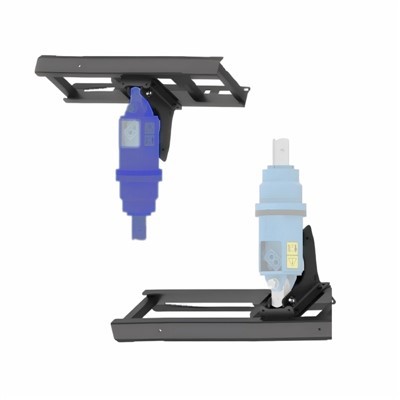
As a supplier of high - quality hitches, we understand the importance of reliability and performance in any project. Just as our Double Pin Hitch, Double Pin Cradle Hitch, and Single Pin Hitch are designed to provide a secure and efficient connection, we believe that a well - planned and executed mobile app development project should also be built on a solid foundation.
We can offer our expertise and support to mobile app development projects in several ways. Our experience in dealing with technical challenges and project management issues can provide valuable insights to developers and project managers. We can also assist in identifying potential hitches early in the project and developing strategies to overcome them.
Conclusion
Mobile app development projects are complex endeavors that are fraught with various hitches. From technical challenges like compatibility issues and security vulnerabilities to project management problems such as scope creep and communication breakdowns, there are many factors that can affect the success of a project. However, by being aware of these hitches and implementing appropriate strategies to address them, developers and project managers can increase the chances of delivering a high - quality, successful mobile app.
If you're involved in a mobile app development project and are looking for a partner to help you navigate the challenges, we'd love to hear from you. Contact us to discuss how we can support your project and ensure its success.
References
- "Mobile Application Development: Concepts, Methodologies, Tools, and Applications" by Information Resources Management Association
- "Agile Project Management for Dummies" by Mark C. Layton
- "Security Engineering: A Guide to Building Dependable Distributed Systems" by Ross J. Anderson