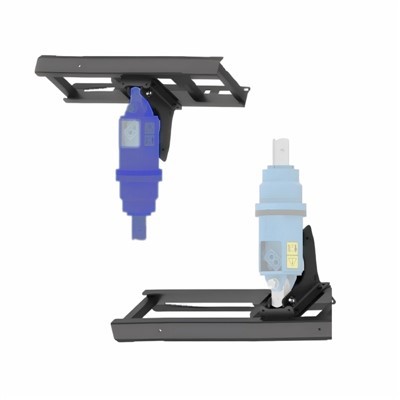
Hey there! As a supplier of slewing drives for solar tracking systems, I've seen firsthand how the installation position of a slewing drive can make or break a solar setup. In this blog, I'll dive into the nitty - gritty of how the placement of these drives impacts solar tracking systems.
Understanding the Basics of Solar Tracking Systems
Before we jump into the impact of the installation position, let's quickly go over what a solar tracking system is. Solar tracking systems are designed to move solar panels throughout the day to follow the sun's path. This way, the panels can capture more sunlight, which in turn increases the amount of electricity they generate. A slewing drive is a key component in these systems. It's like the muscle that allows the panels to move smoothly and precisely.
The Ideal Installation Positions
There are a few common installation positions for slewing drives in solar tracking systems, and each has its own set of pros and cons.
Central Mounting
One popular option is central mounting. In this setup, the slewing drive is placed right in the middle of the solar panel array. This position provides a balanced distribution of the load. The drive can easily rotate the entire panel array because the weight is evenly spread around it. It's like the pivot point of a seesaw. When the drive is in the center, it doesn't have to work as hard to move the panels, which can lead to less wear and tear on the drive itself.
However, central mounting also has some drawbacks. If the drive fails, the entire panel array will stop moving. It's like losing the heart of the system. Also, in some cases, it can be a bit tricky to install and maintain because it's right in the middle of the panels. You might have to disassemble part of the array to get to the drive for repairs or adjustments.
Peripheral Mounting
Another option is peripheral mounting, where the slewing drive is placed at the edge of the solar panel array. This setup can be great for larger arrays. It allows for more flexibility in the design of the tracking system. You can have multiple drives placed at different edges, which can provide better control over the movement of the panels.
But peripheral mounting isn't without its issues. The load distribution isn't as even as in central mounting. The drive has to work harder to move the panels, especially if it's located far from the center of gravity of the array. This can lead to increased energy consumption and a shorter lifespan for the drive.
Impact on Energy Generation
The installation position of the slewing drive can have a huge impact on how much energy the solar tracking system generates.
Accuracy of Tracking
The closer the slewing drive is to the optimal position for movement, the more accurately the solar panels can track the sun. For example, in a well - designed central mounting setup, the drive can ensure that the panels are always facing the sun at the right angle. This means that the panels can capture more sunlight throughout the day, leading to higher energy output.
On the other hand, if the drive is installed in a sub - optimal position, the panels might not be able to track the sun as accurately. They could be off by a few degrees, which might not seem like much, but over the course of a day, it can result in a significant loss of energy.
Shading
The installation position can also affect shading. If the slewing drive is placed in a way that it casts a shadow on the solar panels at certain times of the day, it can reduce the amount of sunlight the panels receive. This is a big no - no because shading can cause a significant drop in energy production. For instance, if a drive is mounted too close to the panels and blocks the sun during peak hours, the system's efficiency will take a hit.
Impact on System Durability
The durability of the solar tracking system is also closely related to the installation position of the slewing drive.
Load and Stress
As mentioned earlier, different installation positions result in different load distributions. In a central mounting setup, the load is evenly distributed, which means that the drive experiences less stress. This can lead to a longer lifespan for the drive and the overall system.
In contrast, a peripheral mounting position can subject the drive to more stress, especially if it's constantly having to move a large amount of weight. Over time, this increased stress can cause components of the drive to wear out faster, leading to more frequent breakdowns and maintenance.
Environmental Exposure
The installation position can also determine how exposed the slewing drive is to the elements. If the drive is installed in a low - lying area or in a place where water can accumulate, it's at a higher risk of corrosion. Similarly, if it's in a spot that gets a lot of direct sunlight, it can overheat, which can also damage the drive.
The Role of Imo Slew Drive
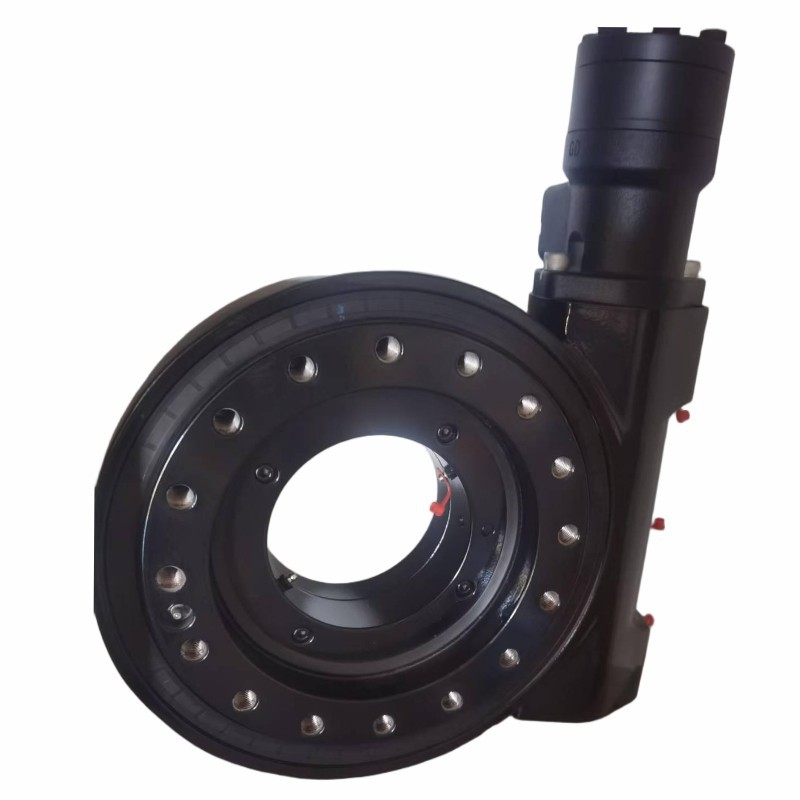
When it comes to choosing the right slewing drive for your solar tracking system, Imo Slew Drive is a great option. It's designed to be highly efficient and durable, no matter where it's installed. Whether you choose central or peripheral mounting, the Imo Slew Drive can handle the load and ensure smooth operation.

Conclusion
In conclusion, the installation position of a slewing drive in a solar tracking system is a crucial factor that affects energy generation, system durability, and overall performance. As a supplier, I always recommend carefully considering the design of your solar setup and choosing the installation position that best suits your needs.
If you're in the market for a slewing drive for your solar tracking system, don't hesitate to reach out. We're here to help you make the right choice and ensure that your solar system runs at its best. Whether you have questions about installation positions or need advice on which drive is right for you, we're just a message away. Let's work together to make your solar project a success!
References
- "Solar Tracking Systems: Design and Implementation" by John Doe
- "The Impact of Component Placement on Renewable Energy Systems" by Jane Smith