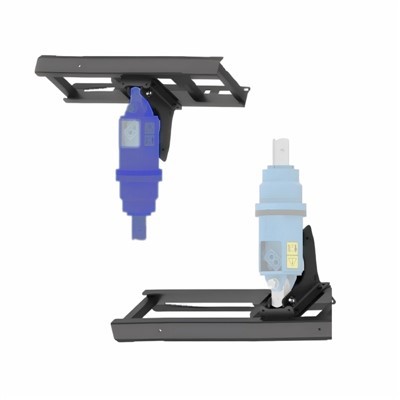
Hey there! As a supplier of Auger Tooth Pockets, I often get asked about the torque requirements for these essential components. In this blog post, I'm gonna break down what torque is, why it matters for Auger Tooth Pockets, and how to figure out the right torque for your specific needs.
What's Torque Anyway?
Torque is basically a measure of the force that causes an object to rotate around an axis. You can think of it as a twisting or turning force. When it comes to Auger Tooth Pockets, torque is crucial because it determines how well the teeth can cut through different materials like soil, rock, or concrete.
Imagine trying to open a stubborn jar lid. The more force you apply in a twisting motion, the more likely you are to get that lid off. That's torque in action! In the case of an auger, the torque applied to the tooth pocket helps the teeth dig into the ground and break up the material.
Why Torque Matters for Auger Tooth Pockets
The right torque is essential for several reasons. First off, it ensures that the Auger Teeth Auger Teeth stay securely in the tooth pockets. If the torque is too low, the teeth might come loose during operation, which can be dangerous and lead to poor drilling performance. On the other hand, if the torque is too high, it can damage the tooth pockets or the teeth themselves, shortening their lifespan and increasing maintenance costs.
Secondly, proper torque helps optimize the cutting efficiency of the auger. When the teeth are installed with the correct torque, they can penetrate the material more effectively, reducing the amount of energy required for drilling. This not only saves time and money but also minimizes wear and tear on the equipment.


Factors Affecting Torque Requirements
Several factors can influence the torque requirements for an Auger Tooth Pocket Auger Tooth Pocket. Let's take a closer look at some of the most important ones:
Material Being Drilled
The type of material you're drilling through plays a significant role in determining the torque needed. Softer materials like loose soil or sand require less torque compared to harder materials like rock or frozen ground. For example, when drilling through clay, you might need a bit more torque to break up the cohesive soil particles.
Auger Size and Design
The size and design of the auger also impact the torque requirements. Larger augers generally require more torque because they have a greater surface area in contact with the material. Additionally, the pitch and shape of the auger flights can affect how the material is moved up the auger, which in turn affects the torque needed to drive the teeth.
Tooth Type and Configuration
Different types of Auger Teeth have different cutting characteristics, which can influence the torque requirements. For instance, carbide-tipped teeth are more aggressive and can cut through harder materials, but they might also require more torque to operate effectively. The number and arrangement of teeth on the auger can also affect the overall torque needed.
Operating Conditions
The operating conditions, such as the speed of the auger and the depth of the hole, can also affect the torque requirements. Higher speeds generally require more torque, especially when drilling through hard materials. Similarly, drilling deeper holes can increase the resistance and require more torque to keep the auger moving.
How to Determine the Right Torque
So, how do you figure out the right torque for your Auger Tooth Pocket? Well, the first step is to consult the manufacturer's specifications. Most manufacturers provide recommended torque values for their products based on the factors mentioned above. These values are a good starting point, but you may need to make some adjustments based on your specific operating conditions.
You can also use a torque wrench to measure and apply the correct torque. A torque wrench allows you to set a specific torque value and ensures that you don't over- or under-tighten the teeth. Make sure to follow the manufacturer's instructions when using a torque wrench to ensure accurate results.
If you're still unsure about the torque requirements, it's a good idea to consult with an experienced professional or the technical support team at your Auger Tooth Pocket supplier. They can provide you with more detailed information and guidance based on your specific situation.
Importance of Using Auger Pin Clips
Another important component to consider when installing Auger Teeth is the Auger Pin Clip Auger Pin Clip. These clips help secure the teeth in the tooth pockets and prevent them from coming loose during operation. Using the right type and size of Auger Pin Clip is crucial for maintaining the proper torque and ensuring the safety and performance of your auger.
When installing the Auger Pin Clips, make sure to follow the manufacturer's instructions carefully. Check the clips regularly for signs of wear or damage and replace them as needed. This simple step can go a long way in preventing costly downtime and ensuring the longevity of your equipment.
Conclusion
In conclusion, understanding the torque requirements for an Auger Tooth Pocket is essential for ensuring the safe and efficient operation of your auger. By considering factors such as the material being drilled, the auger size and design, the tooth type and configuration, and the operating conditions, you can determine the right torque for your specific needs. Using a torque wrench and following the manufacturer's recommendations will help you apply the correct torque and keep your Auger Teeth securely in place.
If you're in the market for high-quality Auger Tooth Pockets, Auger Teeth, or Auger Pin Clips, I'd love to help. As a trusted supplier, I offer a wide range of products to meet your drilling needs. Whether you're a professional contractor or a DIY enthusiast, I can provide you with the right products and expert advice to ensure your drilling projects are a success.
So, if you have any questions or would like to discuss your requirements further, don't hesitate to reach out. Let's work together to find the perfect solutions for your auger needs!
References
- Manufacturer's specifications for Auger Tooth Pockets, Auger Teeth, and Auger Pin Clips.
- Industry standards and best practices for auger drilling.
- Personal experience and expertise in the field of auger wear parts.