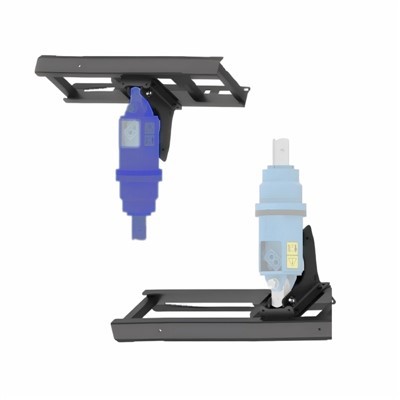
Hey there! As a supplier of Side Shift Cradle Frames, I often get asked about the materials these frames are usually made of. So, I thought I'd take a moment to break it down for you.
First off, let's talk about what a Side Shift Cradle Frame is. If you're not familiar, you can check out more info here: Side Shift Cradle Frame. It's a crucial component in many earth - drilling and related operations. It allows for side - shifting functionality, which gives operators more flexibility when positioning the equipment.
Now, onto the materials. One of the most common materials used for Side Shift Cradle Frames is steel. Steel is a go - to choice for a bunch of reasons.
Steel
Steel is known for its high strength. In the world of heavy - duty equipment like earth drills, strength is non - negotiable. The Side Shift Cradle Frame has to withstand a lot of stress, whether it's from the weight of the drill itself or the forces exerted during the drilling process. High - strength steel can handle these loads without deforming easily. For example, when the drill is in operation and there are vibrations and impacts, a steel frame can maintain its shape and integrity.
There are different types of steel that can be used. Carbon steel is a popular option. It's relatively inexpensive compared to some other alloys, and it has good overall strength. It contains carbon as the main alloying element, and depending on the carbon content, its properties can vary. Low - carbon steel is more ductile, which means it can be bent and formed into the required shape of the cradle frame during the manufacturing process. Medium - carbon steel offers a good balance between strength and ductility, making it suitable for frames that need to handle moderate to high loads.
Alloy steel is another type that's often used. Alloy steel has additional elements like chromium, nickel, and molybdenum added to it. These elements enhance the steel's properties. For instance, chromium can improve the steel's corrosion resistance. In outdoor environments where the Side Shift Cradle Frame is exposed to moisture, dirt, and other elements, corrosion - resistant alloy steel can last much longer. Molybdenum can increase the steel's strength at high temperatures, which is useful if the equipment generates a lot of heat during operation.
Weldability is also an important factor when it comes to using steel for Side Shift Cradle Frames. Steel can be easily welded, which allows manufacturers to join different parts of the frame together. This is crucial for creating a strong and seamless structure. Whether it's using arc welding or other welding techniques, steel can be effectively joined to form a solid frame.
Aluminum
Another material that's sometimes used for Side Shift Cradle Frames is aluminum. Aluminum has its own set of advantages. One of the biggest perks is its low weight. Compared to steel, aluminum is much lighter. This can be a huge benefit in applications where weight is a concern. For example, if the equipment needs to be transported frequently, a lighter frame means less fuel consumption during transportation. It also makes the installation and handling of the equipment easier for the operators.
Aluminum is also highly resistant to corrosion. It forms a thin oxide layer on its surface when exposed to air, which protects it from further oxidation. This makes it a great choice for environments where the frame will be exposed to moisture, such as near bodies of water or in areas with high humidity.
However, aluminum has its limitations. It's not as strong as steel in terms of pure strength. So, for applications where the frame has to support extremely heavy loads, aluminum might not be the best option. But for lighter - duty operations or where weight savings are a priority, it can work well.
Cast Iron
Cast iron is another material that has been used in the past for Side Shift Cradle Frames. Cast iron is known for its excellent casting properties. It can be poured into complex molds to create detailed and precise shapes of the cradle frame. This is useful when the frame has specific design requirements, such as intricate curves or holes for mounting other components.
Cast iron has good wear resistance. In applications where there is a lot of friction between the frame and other parts of the equipment, cast iron can withstand the wear and tear better than some other materials. However, cast iron is brittle compared to steel and aluminum. It can crack under high - impact loads, which limits its use in some high - stress applications.


Composite Materials
In recent years, composite materials have started to gain some attention in the manufacturing of Side Shift Cradle Frames. Composite materials are made by combining two or more different materials to get the best properties of each. For example, a fiber - reinforced composite might consist of fibers (like carbon fibers or glass fibers) embedded in a resin matrix.
Carbon fiber composites are extremely strong and lightweight. They have a high strength - to - weight ratio, which means they can provide a lot of strength while keeping the weight down. This can be beneficial for applications where both strength and weight savings are important. Glass fiber composites are also used. They are less expensive than carbon fiber composites and still offer good strength and stiffness.
However, composite materials also have some drawbacks. They can be more expensive to manufacture compared to traditional materials like steel and aluminum. The manufacturing process can be more complex, and there may be challenges in repairing composite frames if they get damaged.
When choosing the material for a Side Shift Cradle Frame, several factors need to be considered. The application of the equipment is a major factor. If it's for heavy - duty, high - load operations, steel or a high - strength alloy might be the best choice. For lighter - duty or weight - sensitive applications, aluminum or composite materials could be considered.
The environment in which the frame will operate is also crucial. If it's in a corrosive environment, materials with good corrosion resistance like alloy steel or aluminum are preferred. Cost is another consideration. Manufacturers need to balance the performance requirements of the frame with the cost of the material.
In conclusion, there are several materials that Side Shift Cradle Frames can be made of, each with its own set of pros and cons. As a supplier, I work closely with customers to understand their specific needs and recommend the most suitable material for their Side Shift Cradle Frame. If you're in the market for a Side Shift Cradle Frame or are interested in learning more about our products, you can also check out our Fixed Centre Cradle Frame for comparison.
If you have any questions or are looking to start a procurement discussion, don't hesitate to reach out. We're here to help you find the perfect frame for your needs.
References
- "Materials Science and Engineering: An Introduction" by William D. Callister Jr. and David G. Rethwisch
- Industry reports on heavy - equipment manufacturing materials