Hey there, cycling enthusiasts! As a frame supplier, I'm stoked to take you on a deep - dive into the materials used to make bicycle frames. It's not just about slapping some metal or carbon together; each material has its own unique properties that can make or break your cycling experience.
Let's start with the classics: steel. Steel frames have been around for ages, and there's a good reason for that. It's tough as nails and can take a beating. Whether you're hitting the rough trails or just cruising around town, a steel frame can handle it. The main advantage of steel is its durability. You won't have to worry about it cracking or breaking easily. It also offers a smooth ride because it can absorb vibrations well.
But steel isn't all sunshine and rainbows. It's heavy compared to some other materials. That extra weight can make it a bit of a struggle when you're trying to climb hills or go for a fast sprint. And if you don't take good care of it, steel can rust. You've got to keep it dry and maybe give it a coat of paint every now and then to protect it.
Next up is aluminum. Aluminum frames are super popular these days, and it's easy to see why. They're lightweight, which means you can zip up those hills with less effort. If you're into racing or just want a bike that's easy to maneuver, an aluminum frame is a great choice. It's also corrosion - resistant, so you don't have to worry about it rusting like steel.
However, aluminum has its drawbacks too. It's not as good at absorbing vibrations as steel. So, if you're riding on bumpy roads, you might feel every little jolt. And while it's strong, it's not as forgiving as steel. A big impact can cause it to crack or bend, and once that happens, it's often game over for the frame.
Now, let's talk about carbon fiber. This is the stuff of high - end bikes. Carbon fiber frames are incredibly lightweight, which gives you a huge advantage in terms of speed. They're also very stiff, which means that when you pedal, more of your energy is transferred to the wheels. It's like having a direct line from your legs to the road.
Carbon fiber also has the ability to be molded into all sorts of shapes. This allows bike designers to create frames that are not only aerodynamic but also optimized for different types of riding. Whether you're a road racer or a mountain biker, there's a carbon fiber frame out there for you.
But carbon fiber comes with a hefty price tag. It's expensive to produce, and that cost gets passed on to the consumer. And while it's strong, carbon fiber can be brittle. A hard impact can cause internal damage that might not be visible on the surface, but it can still weaken the frame.
There are also some other materials that are used less commonly. Titanium is one of them. Titanium frames are lightweight, strong, and corrosion - resistant. They have a unique ride quality that many cyclists love. They're also very durable, but like carbon fiber, they're expensive.
Magnesium is another option. It's even lighter than aluminum, but it's not as widely used because it's more difficult to work with and can be more prone to corrosion.
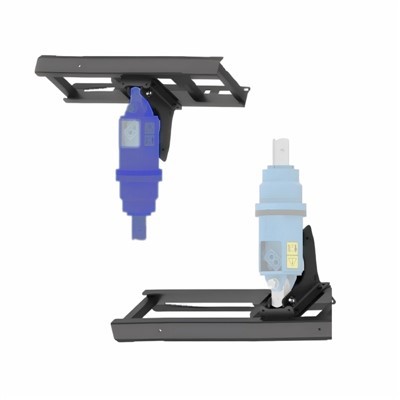
When it comes to specific frame designs, we've got some great options. For example, the Fixed Centre Cradle Frame offers a stable and reliable structure. It's designed to keep the components in place and provide a smooth ride. And then there's the Side Shift Cradle Frame, which gives you more flexibility in terms of positioning and can be adjusted for different riding styles.
As a frame supplier, I understand that choosing the right material for your bicycle frame is a big decision. It depends on your budget, your riding style, and your personal preferences. If you're a casual rider who just wants a reliable bike for commuting, a steel or aluminum frame might be the way to go. But if you're a serious cyclist looking for the ultimate performance, carbon fiber or titanium could be worth the investment.
We've got a wide range of frames made from all these materials. Whether you're a bike manufacturer looking to stock up on frames or an individual looking for a custom - made frame, we've got you covered. Our team of experts is always here to help you make the right choice. We can answer all your questions and give you the advice you need to find the perfect frame for your bike.
If you're interested in learning more about our frames or want to start a procurement discussion, don't hesitate to reach out. We're eager to work with you and help you get the best frames for your needs. Whether you're a small - scale builder or a large - scale manufacturer, we're committed to providing you with high - quality frames at competitive prices.
In conclusion, the world of bicycle frame materials is diverse, with each material offering its own set of pros and cons. Steel is durable but heavy, aluminum is lightweight but less vibration - absorbent, carbon fiber is high - performance but expensive, and titanium and magnesium have their own unique characteristics. By understanding the properties of these materials, you can make an informed decision when it comes to choosing the right frame for your bike.
References


- Bicycling Magazine: Various articles on bicycle frame materials and technologies
- Cyclingnews: In - depth reviews and analysis of different frame materials
- BikeRadar: Expert opinions and comparisons of steel, aluminum, carbon fiber, and other frame materials