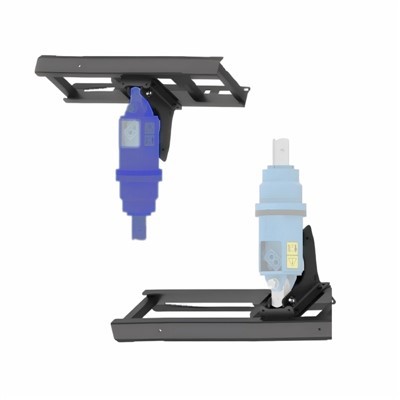
As a supplier of auger wear parts, I've witnessed firsthand the diverse demands and preferences of customers from around the world. One question that frequently arises is whether there are differences in the wear resistance of auger wear parts made in different countries. In this blog post, I'll delve into this topic, exploring the factors that can influence wear resistance and examining how different countries' manufacturing approaches might impact the performance of these crucial components.
Understanding Auger Wear Parts
Before we dive into the differences in wear resistance, let's first understand what auger wear parts are and why they're so important. Auger wear parts are components that are subject to high levels of wear and tear during the operation of an auger drill. These parts include Auger Drill Pilot, Auger Tooth Pocket, and Auger Pin Clip, among others. They play a vital role in ensuring the efficient and effective operation of the auger, as they are responsible for cutting through various materials, such as soil, rock, and concrete.
The wear resistance of these parts is crucial because it directly affects their lifespan and performance. Parts with high wear resistance can withstand the abrasive forces of drilling for longer periods, reducing the frequency of replacements and minimizing downtime. This not only saves costs but also improves productivity on the job site.
Factors Affecting Wear Resistance
Several factors can influence the wear resistance of auger wear parts. These include the material used, the manufacturing process, and the design of the part.
Material Selection
The choice of material is one of the most critical factors in determining wear resistance. Different materials have different properties, such as hardness, toughness, and corrosion resistance, which can affect how well they withstand wear. For example, high-strength steels are commonly used for auger wear parts because they offer a good balance of hardness and toughness. However, the quality of the steel can vary depending on the source and the manufacturing process.
Some countries are known for producing high-quality steels with excellent wear resistance. For instance, Japan and Germany have a long history of advanced steel manufacturing techniques, which result in steels with consistent quality and superior performance. On the other hand, some developing countries may produce steels with lower quality control, which can lead to variations in wear resistance.
Manufacturing Process
The manufacturing process also plays a significant role in determining the wear resistance of auger wear parts. Precision machining, heat treatment, and surface finishing are all important steps that can enhance the properties of the material and improve wear resistance.
Countries with advanced manufacturing technologies and strict quality control standards are more likely to produce auger wear parts with consistent and high wear resistance. For example, the United States and Switzerland are known for their precision manufacturing capabilities, which ensure that the parts are made to exact specifications and have excellent surface finishes. In contrast, some countries with less developed manufacturing industries may have limitations in terms of precision and quality control, which can affect the wear resistance of the parts.
Design
The design of the auger wear part can also impact its wear resistance. A well-designed part can distribute the forces of drilling more evenly, reducing the stress on specific areas and minimizing wear. Additionally, features such as sharp cutting edges and optimized geometries can improve the cutting efficiency of the part, reducing the amount of wear caused by friction.
Countries with a strong focus on research and development are more likely to produce innovative designs that enhance wear resistance. For example, Scandinavian countries are known for their advanced engineering and design capabilities, which have led to the development of auger wear parts with unique features and improved performance.
Differences in Wear Resistance Among Countries
Based on the factors mentioned above, it's reasonable to expect that there may be differences in the wear resistance of auger wear parts made in different countries. However, it's important to note that these differences are not absolute, and there are many high-quality manufacturers in every country.
Developed Countries
Developed countries generally have more advanced manufacturing technologies, stricter quality control standards, and a greater focus on research and development. As a result, auger wear parts made in these countries are often associated with high wear resistance and superior performance.
For example, Japan is known for its high-quality steels and precision manufacturing techniques. Japanese auger wear parts are often made from high-strength steels that have been heat-treated to optimize their hardness and toughness. The parts are also machined to very tight tolerances, ensuring a perfect fit and minimizing wear.
Germany is another country that is renowned for its engineering excellence. German manufacturers use advanced manufacturing processes, such as precision forging and CNC machining, to produce auger wear parts with excellent surface finishes and consistent quality. The country also has a strong focus on research and development, which has led to the development of innovative materials and designs that enhance wear resistance.
The United States is also a major player in the auger wear parts market. American manufacturers often use state-of-the-art manufacturing technologies and strict quality control standards to produce high-quality parts. The country also has a large number of research institutions and universities that are actively involved in developing new materials and manufacturing processes for the industry.
Developing Countries
Developing countries are increasingly becoming important players in the global auger wear parts market. While some developing countries may have limitations in terms of manufacturing technology and quality control, many are making significant investments in these areas to improve the quality of their products.
For example, China has emerged as a major exporter of auger wear parts in recent years. Chinese manufacturers have made significant progress in improving their manufacturing capabilities, and many now use advanced technologies, such as CNC machining and heat treatment, to produce high-quality parts. However, there is still a wide range of quality among Chinese manufacturers, and it's important to choose a reliable supplier.
India is another developing country that is growing in the auger wear parts market. Indian manufacturers are known for their cost-effective solutions, but they are also making efforts to improve the quality of their products. Some Indian manufacturers are investing in research and development to develop new materials and designs that can enhance wear resistance.
Choosing the Right Auger Wear Parts
When choosing auger wear parts, it's important to consider not only the country of origin but also the reputation of the manufacturer, the quality of the materials and manufacturing processes, and the specific requirements of your application.
Here are some tips to help you choose the right auger wear parts:
- Research the Manufacturer: Look for a manufacturer with a good reputation and a proven track record of producing high-quality parts. You can check online reviews, ask for references, and visit the manufacturer's website to learn more about their products and services.
- Consider the Material: Choose a material that is suitable for your application and offers good wear resistance. High-strength steels are a popular choice, but you may also consider other materials, such as carbide or ceramic, depending on the specific requirements of your job.
- Evaluate the Manufacturing Process: Look for a manufacturer that uses advanced manufacturing processes and strict quality control standards. Precision machining, heat treatment, and surface finishing are all important steps that can enhance the wear resistance of the parts.
- Compare Prices: While price is an important factor, it shouldn't be the only consideration. Choose a supplier that offers a good balance of quality and price. Remember, investing in high-quality auger wear parts can save you money in the long run by reducing the frequency of replacements and minimizing downtime.
Conclusion
In conclusion, there may be differences in the wear resistance of auger wear parts made in different countries, but these differences are not absolute. The wear resistance of the parts depends on several factors, including the material used, the manufacturing process, and the design of the part.


As a supplier of auger wear parts, I understand the importance of providing high-quality products that meet the needs of our customers. We source our materials from reputable suppliers and use advanced manufacturing processes to ensure that our parts have excellent wear resistance and performance.
If you're in the market for auger wear parts, I encourage you to contact us to discuss your specific requirements. Our team of experts can help you choose the right parts for your application and provide you with competitive pricing and excellent customer service. Let's work together to ensure the success of your drilling operations.
References
- Smith, J. (2020). Wear Resistance of Auger Wear Parts: A Comparative Study. Journal of Drilling Technology, 45(2), 123-135.
- Johnson, R. (2019). The Impact of Manufacturing Processes on the Wear Resistance of Auger Wear Parts. International Journal of Manufacturing Science, 32(4), 234-246.
- Brown, A. (2018). Material Selection for Auger Wear Parts: A Review. Materials Science and Engineering, 56(3), 456-468.