Hey there! As a supplier of slewing drives for solar tracking systems, I've seen my fair share of issues with vibration in these systems. Vibration can be a real pain in the neck, not only affecting the performance of the solar panels but also potentially leading to premature wear and tear of the slewing drive itself. So, today, I'm gonna share some tips on how to reduce the vibration of a slewing drive in a solar tracking system.
Understanding the Causes of Vibration
Before we dive into the solutions, it's important to understand what causes the vibration in the first place. There are several factors that can contribute to vibration in a slewing drive for a solar tracking system:
1. Misalignment
One of the most common causes of vibration is misalignment. If the slewing drive isn't properly aligned with the solar panel or the mounting structure, it can create uneven forces that lead to vibration. This misalignment can occur during installation or due to external factors like wind or seismic activity.
2. Unbalanced Load
Solar panels can have an uneven distribution of weight, especially if they're not installed correctly or if there are differences in the panel's construction. An unbalanced load on the slewing drive can cause it to vibrate as it tries to rotate the panels.
3. Gear Wear and Tear
Over time, the gears in the slewing drive can wear down. Worn gears can create uneven movement and cause vibration. This is more likely to happen if the slewing drive is operating in harsh conditions or if it hasn't been properly maintained.

4. Loose Components
Any loose bolts, nuts, or other components in the slewing drive or the mounting structure can also lead to vibration. As the drive operates, these loose parts can rattle and cause unwanted movement.
Solutions to Reduce Vibration
Now that we know what causes the vibration, let's look at some solutions to reduce it.
1. Proper Installation and Alignment
The first step in reducing vibration is to ensure proper installation and alignment of the slewing drive. During installation, make sure that the drive is perfectly aligned with the solar panel and the mounting structure. Use precision tools to measure and adjust the alignment as needed. This will help distribute the load evenly and reduce the chances of vibration.
2. Balancing the Load
To balance the load on the slewing drive, you can use load distribution techniques. For example, you can adjust the position of the solar panels to ensure that the weight is evenly distributed. You can also use counterweights if necessary. This will help the slewing drive rotate more smoothly and reduce vibration.
3. Regular Maintenance
Regular maintenance is crucial for reducing vibration. Check the gears in the slewing drive regularly for wear and tear. If you notice any signs of wear, replace the gears as soon as possible. Also, make sure to lubricate the gears and other moving parts according to the manufacturer's recommendations. This will reduce friction and prevent premature wear.
4. Tightening Loose Components
Periodically check all the bolts, nuts, and other components in the slewing drive and the mounting structure. Tighten any loose parts to prevent rattling and vibration. You can use a torque wrench to ensure that the components are tightened to the correct specifications.
5. Using High - Quality Components
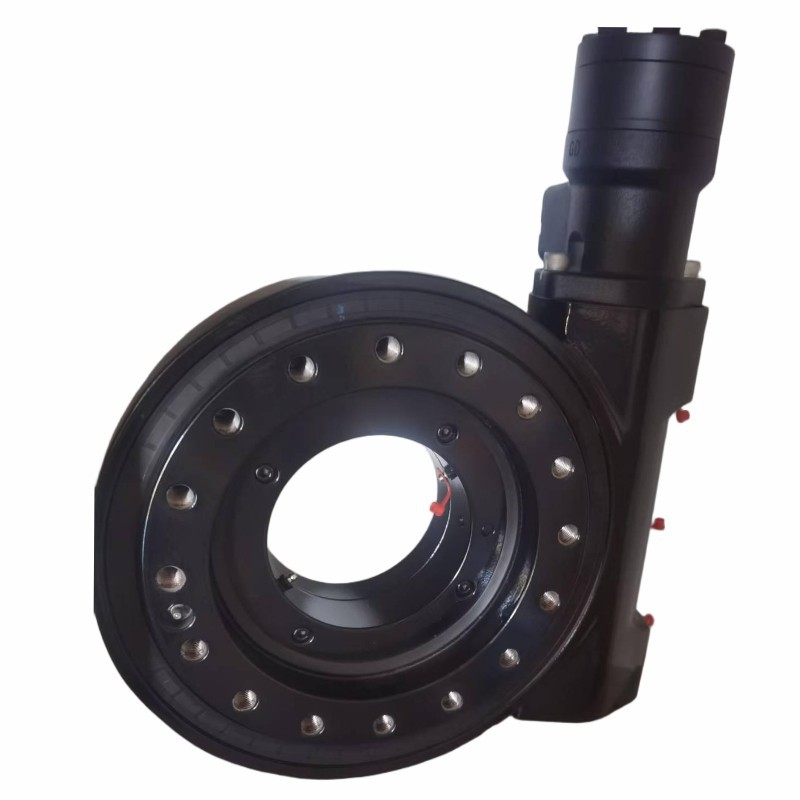
Investing in high - quality slewing drives can also help reduce vibration. At our company, we offer the Imo Slew Drive, which is designed with precision and high - quality materials. These drives are built to withstand the rigors of solar tracking applications and are less likely to experience vibration issues.
Monitoring and Testing
Even after implementing these solutions, it's important to monitor the slewing drive for vibration. You can use vibration sensors to measure the level of vibration in the drive. Regularly check the sensor readings and compare them to the baseline values. If you notice an increase in vibration, it could be a sign of a problem that needs to be addressed.
You can also perform periodic testing of the slewing drive. Run the drive through its full range of motion and observe its performance. Listen for any unusual noises or vibrations. If you detect any issues, take immediate action to fix them.
Conclusion
Reducing the vibration of a slewing drive in a solar tracking system is essential for ensuring the long - term performance and reliability of the system. By understanding the causes of vibration and implementing the solutions we've discussed, you can significantly reduce the vibration and extend the lifespan of the slewing drive.
If you're in the market for a high - quality slewing drive for your solar tracking system, we're here to help. Our Imo Slew Drive is a great option that offers excellent performance and durability. Contact us to discuss your specific requirements and start a procurement negotiation. We're looking forward to working with you!
References
- "Solar Tracking System Design and Installation Guide"
- Manufacturer's manuals for slewing drives
- Industry research on solar tracking system performance