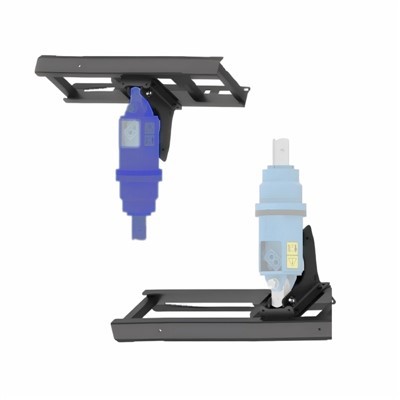
As a supplier of Fixed Centre Cradle Frames, I understand the importance of proper maintenance to ensure the longevity and optimal performance of these essential pieces of equipment. In this blog post, I'll share some key tips on how to maintain a Fixed Centre Cradle Frame, which you can find more information about at Fixed Centre Cradle Frame.


Regular Inspection
Regular inspections are the cornerstone of maintaining a Fixed Centre Cradle Frame. A thorough visual inspection should be carried out before and after each use. Check for any signs of wear and tear, such as cracks, dents, or corrosion. Pay close attention to the joints and connections, as these areas are often under the most stress. If you notice any damage, it's crucial to address it immediately to prevent further deterioration.
Inspect the hydraulic components, including hoses, cylinders, and valves. Look for leaks, loose fittings, or signs of damage. Hydraulic systems are critical for the operation of the cradle frame, and any issues can lead to reduced performance or even system failure. If you find any problems, consult the manufacturer's guidelines or a qualified technician for repair or replacement.
Cleaning and Lubrication
Keeping the Fixed Centre Cradle Frame clean is essential for preventing corrosion and ensuring smooth operation. After each use, remove any dirt, debris, or mud from the frame using a high - pressure washer or a stiff brush. Pay special attention to hard - to - reach areas, such as inside the pipes and around the joints.
Lubrication is equally important. Apply a high - quality lubricant to all moving parts, including the pivot points, bearings, and slides. This helps reduce friction and wear, extending the lifespan of the components. Follow the manufacturer's recommendations regarding the type of lubricant to use and the frequency of application.
Tightening and Adjustment
Over time, the bolts and nuts on the Fixed Centre Cradle Frame may loosen due to vibration and normal use. Regularly check and tighten all fasteners to ensure they are secure. Use a torque wrench to apply the correct amount of torque, as over - tightening or under - tightening can cause problems.
In addition to tightening, some components of the cradle frame may require adjustment. For example, the alignment of the frame may need to be checked periodically to ensure it is operating correctly. If the frame is not properly aligned, it can put additional stress on the components and lead to premature wear.
Storage
Proper storage is crucial for maintaining the Fixed Centre Cradle Frame when it's not in use. Store the frame in a dry, covered area to protect it from the elements. If possible, elevate the frame off the ground to prevent moisture from accumulating.
Before storing the frame, make sure it is clean and dry. Apply a protective coating to prevent rust and corrosion. If the frame has hydraulic components, follow the manufacturer's instructions for storing the hydraulic system to prevent damage.
Training and Operator Awareness
Proper maintenance also depends on the awareness and training of the operators. Ensure that all operators are trained on the correct use and maintenance of the Fixed Centre Cradle Frame. They should be aware of the importance of regular inspections, cleaning, and lubrication.
Operators should also be trained to recognize the signs of potential problems and know when to report them. By involving the operators in the maintenance process, you can catch issues early and prevent more significant problems from occurring.
Comparison with Side Shift Cradle Frame
While the maintenance principles for the Fixed Centre Cradle Frame are generally applicable to the Side Shift Cradle Frame, there are some differences. The side shift feature of the Side Shift Cradle Frame adds additional complexity, and specific attention should be paid to the components related to the side - shifting mechanism.
For the Side Shift Cradle Frame, the tracks, gears, and slides used for the side - shifting movement should be inspected more frequently. The hydraulic system that controls the side shift also requires special attention. Any leaks or malfunctions in this hydraulic system can affect the ability to shift the cradle side - ways, which is a key functionality of this type of frame.
Maintenance Records
Keeping detailed maintenance records is highly recommended. Record all inspections, cleanings, lubrication, repairs, and adjustments. This information can be invaluable for tracking the history of the Fixed Centre Cradle Frame, predicting future maintenance needs, and demonstrating compliance with safety regulations.
The maintenance records can also assist in determining the warranty coverage of the frame. If any issues arise during the warranty period, having a comprehensive record of the maintenance history can help expedite the claim process.
Importance of Professional Servicing
While regular in - house maintenance is essential, it's also important to have the Fixed Centre Cradle Frame serviced by a professional at regular intervals. Professional technicians have the expertise and specialized tools to perform in - depth inspections and maintenance tasks.
They can conduct hydraulic system flushes, precision alignment checks, and diagnose potential problems that may not be apparent during routine inspections. Professional servicing can significantly extend the lifespan of the Fixed Centre Cradle Frame and ensure its safe and efficient operation.
Training for Maintenance Staff
If your company has in - house maintenance staff, providing them with appropriate training is crucial. Training programs should cover topics such as the detailed structure of the Fixed Centre Cradle Frame, hydraulic system operation and troubleshooting, and proper use of maintenance tools.
Continuous training and skill development for the maintenance staff can improve the quality of maintenance work and reduce the likelihood of maintenance - related errors. It can also enhance the overall efficiency of the maintenance process.
Conclusion
Maintaining a Fixed Centre Cradle Frame is a multi - faceted process that requires regular inspections, cleaning, lubrication, tightening, proper storage, and operator training. By following these guidelines, you can ensure that your Fixed Centre Cradle Frame remains in top - notch condition, providing reliable performance for years to come.
If you're in the market for a high - quality Fixed Centre Cradle Frame or have any questions about maintenance or product selection, feel free to get in touch. We're here to assist you with all your needs and ensure that you get the best value from your investment.
References
- Manufacturer's manual for Fixed Centre Cradle Frame
- Industry standards for construction equipment maintenance
- Technical papers on hydraulic system maintenance and inspection