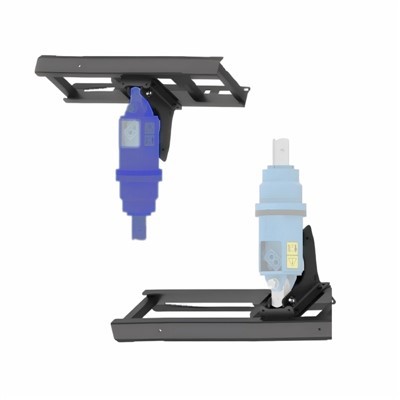
Transporting an auger drive requires careful planning and execution to ensure the equipment arrives at its destination safely and in good condition. As an auger drive supplier, I understand the importance of proper transportation to maintain the quality of our products and meet our customers' needs. In this blog, I will share some essential tips and best practices on how to transport an auger drive effectively.
Understanding the Auger Drive
Before you start the transportation process, it's crucial to have a clear understanding of the auger drive you're dealing with. Different types of auger drives, such as those with various power ratings, torque capacities, and physical dimensions, have specific transportation requirements. For example, a 8000Nm Earth Auger Drive for Skid Steer is likely to be larger and heavier than a smaller, less powerful model.


Pre - Transport Preparation
- Inspection: Conduct a thorough inspection of the auger drive before packing it for transport. Check for any loose parts, damage, or signs of wear. Tighten any loose bolts or connections, and address any minor issues. This not only ensures the safety of the equipment during transit but also helps in avoiding potential problems upon arrival at the destination.
- Cleaning: Clean the auger drive to remove any dirt, debris, or grease. A clean auger drive is less likely to damage during transit, and it also makes it easier to inspect for any damage that may occur during transportation.
- Documentation: Gather all the necessary documentation related to the auger drive, such as the user manual, warranty information, and maintenance records. This documentation should be securely packed and kept separate from the equipment.
Packing the Auger Drive
- Choosing the Right Packaging: Select appropriate packaging materials based on the size and weight of the auger drive. For smaller auger drives, a sturdy wooden crate or a heavy - duty cardboard box may be sufficient. Larger and heavier models may require custom - made steel frames or more robust wooden pallets.
- Padding and Protection: Use padding materials like foam, bubble wrap, or rubber mats to protect the auger drive from scratches, dents, and impacts during transit. Pay special attention to the more delicate parts such as the hydraulic hoses, gears, and the drive shaft. Wrap these parts individually and secure them to prevent movement inside the packaging.
- Securing the Hydraulic Hoses: If the auger drive is equipped with hydraulic hoses, make sure they are properly coiled and secured. Use zip ties or hose clamps to prevent the hoses from tangling or getting damaged. Cover the hose connectors with protective caps to prevent dirt and moisture from entering.
Selecting the Transportation Method
- Truck Shipping: For local or regional deliveries, truck shipping is often the most convenient option. You can choose between full - truckload (FTL) and less - than - truckload (LTL) shipping depending on the size and quantity of the auger drives. FTL is suitable for larger shipments, while LTL can be more cost - effective for smaller orders.
- Freight Forwarders: If you're shipping the auger drive internationally or over long distances, consider using a freight forwarder. They can handle all aspects of the shipping process, including customs clearance, documentation, and carrier selection. A reputable freight forwarder will have experience in transporting heavy equipment and can ensure that your auger drive arrives safely.
- Considerations for Shipping: When selecting a transportation method, consider factors such as the transit time, the cost, and the level of insurance coverage. Make sure the carrier has a good reputation for handling heavy and fragile equipment.
Loading and Securing the Auger Drive
- Proper Loading: When loading the auger drive onto the transport vehicle, use appropriate equipment such as forklifts or cranes. Ensure that the loading process is carried out carefully to avoid any damage to the equipment or the vehicle.
- Securing in the Vehicle: Once the auger drive is loaded, it must be securely fastened to prevent movement during transit. Use straps, chains, or ropes to secure the auger drive to the vehicle's floor or frame. The securing points should be strong enough to withstand the forces generated during transport, such as acceleration, braking, and turning.
Insurance and Tracking
- Insurance: It's highly recommended to purchase insurance for the auger drive during transportation. This provides financial protection in case of damage, loss, or theft. Make sure to understand the terms and conditions of the insurance policy, including the coverage limits and any exclusions.
- Tracking: Most carriers offer tracking services that allow you to monitor the progress of your shipment in real - time. Use this feature to stay informed about the location and estimated arrival time of the auger drive. If there are any delays or issues, you can take appropriate action promptly.
Unloading and Final Inspection
- Safe Unloading: When the auger drive arrives at its destination, unload it using the same care as during loading. Follow the same safety procedures and use the proper equipment.
- Final Inspection: Conduct a final inspection of the auger drive upon arrival. Check for any damage that may have occurred during transportation. If there is any damage, document it thoroughly and contact the carrier and your insurance provider immediately.
Special Considerations for Different Types of Auger Drives
- Cat Auger Drive Replacement: Cat Auger Drive Replacement parts are often designed to fit specific models of Cat equipment. When transporting these replacement parts, ensure that the packaging is labeled clearly and that the parts are protected from any damage.
- PD4 Auger Drive Replacement: PD4 Auger Drive Replacement components may have unique specifications. It's important to understand these specifications and take appropriate measures to ensure their safe transportation. For example, some PD4 parts may be more sensitive to vibrations, so extra padding may be required.
In conclusion, transporting an auger drive requires a comprehensive approach that involves careful planning, proper packing, and secure transportation. By following these guidelines, you can minimize the risk of damage and ensure that your auger drive arrives at its destination in perfect working condition.
If you're in the market for high - quality auger drives or need more information on transportation and handling, don't hesitate to contact us. Our team of experts is ready to assist you with your purchasing needs and provide valuable advice on all aspects of auger drive use and maintenance.
References
- Industry standards and guidelines for heavy equipment transportation.
- Manufacturer's recommendations for auger drive handling and shipping.