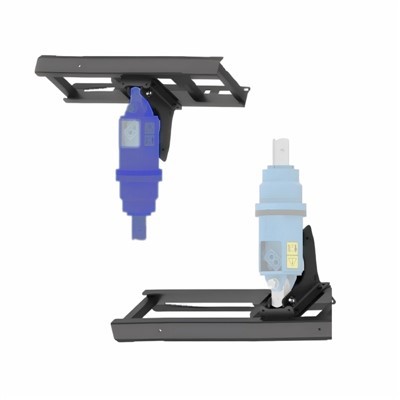
As a supplier of dinamic oil gearboxes, I've witnessed firsthand the growing concern about the environmental impacts of industrial equipment. In this blog, I'll delve into the environmental aspects of dinamic oil gearboxes, exploring both the positive and negative impacts they can have on our planet.


Energy Efficiency and Reduced Emissions
One of the significant environmental benefits of dinamic oil gearboxes is their potential for high energy efficiency. These gearboxes are designed to transmit power from the input source to the output with minimal losses. By reducing energy losses during power transmission, dinamic oil gearboxes help industrial machinery operate more efficiently. This means that less energy is required to achieve the same level of output, resulting in lower greenhouse gas emissions.
For example, in a manufacturing plant, a well - designed dinamic oil gearbox can ensure that motors run at their optimal efficiency. When motors operate more efficiently, they consume less electricity. Since a large portion of electricity generation still relies on fossil fuels in many parts of the world, this reduction in electricity consumption directly translates into a decrease in carbon dioxide and other pollutant emissions.
The Dinamic Oil Planetary Gearbox is a prime example of a product that offers high energy efficiency. Its advanced design and precision engineering minimize friction and mechanical losses, allowing for smooth and efficient power transfer.
Noise Pollution Reduction
Industrial operations are often associated with high levels of noise pollution, which can have detrimental effects on the environment and human health. Dinamic oil gearboxes are engineered to operate quietly. The use of high - quality materials and precise manufacturing techniques helps to reduce vibration and noise generation.
In a factory setting, a noisy gearbox can contribute to a stressful working environment for employees. Prolonged exposure to high - level noise can lead to hearing loss and other health problems. Moreover, excessive noise can also disrupt the natural habitats of nearby wildlife. By choosing a dinamic oil gearbox, industries can significantly reduce their noise footprint. The Dinamicoil Re1022 is known for its quiet operation, making it an ideal choice for applications where noise reduction is a priority.
Oil Leakage and Contamination
However, dinamic oil gearboxes also present some environmental challenges. One of the most significant issues is the potential for oil leakage. The oil used in these gearboxes serves multiple purposes, including lubrication, cooling, and corrosion protection. If the seals and gaskets in the gearbox fail, oil can leak out.
Oil leakage can contaminate soil and water sources. When oil seeps into the soil, it can prevent plants from absorbing water and nutrients, leading to stunted growth or even death. If the leaked oil reaches water bodies, it can form a thin film on the surface, blocking sunlight from reaching aquatic plants. This can disrupt the entire aquatic ecosystem, affecting fish, invertebrates, and other organisms.
To mitigate this problem, modern dinamic oil gearboxes are equipped with advanced sealing technologies. Regular maintenance and inspection are also crucial to detect and address any potential leakage issues early.
End - of - Life Management
Another environmental concern is the end - of - life management of dinamic oil gearboxes. When a gearbox reaches the end of its useful life, it needs to be disposed of properly. The components of a gearbox, such as metals, plastics, and oil, need to be recycled or disposed of in an environmentally friendly manner.
Metals can be recycled and reused in the manufacturing of new products. However, the recycling process requires energy and resources. Additionally, the oil in the gearbox needs to be drained and recycled or treated to remove contaminants before it can be disposed of. Improper disposal of used oil can lead to significant environmental damage.
Sustainable Manufacturing Practices
As a supplier, we are committed to implementing sustainable manufacturing practices. This includes using eco - friendly materials in the production of dinamic oil gearboxes. For example, we source materials from suppliers who adhere to strict environmental standards. We also strive to reduce waste during the manufacturing process by optimizing production techniques and recycling scrap materials.
In addition, we are constantly researching and developing new technologies to improve the environmental performance of our gearboxes. This includes the development of more efficient lubricants that can reduce friction and energy consumption even further.
Conclusion
In conclusion, dinamic oil gearboxes have both positive and negative environmental impacts. On one hand, they offer energy efficiency and noise reduction benefits, which can contribute to a more sustainable industrial operation. On the other hand, issues such as oil leakage and end - of - life management need to be addressed to minimize their environmental footprint.
As a supplier, we are dedicated to providing high - quality dinamic oil gearboxes that not only meet the performance requirements of our customers but also have a minimal impact on the environment. If you are interested in learning more about our products or would like to discuss your specific requirements, we encourage you to reach out to us for a procurement discussion. We are here to help you make an informed decision and contribute to a greener future.
References
- "Industrial Gearbox Handbook: Design, Manufacturing, and Applications" by Heinz P. Bloch and Fred K. Geitner
- "Environmental Impacts of Industrial Equipment" by the Environmental Protection Agency
- "Sustainable Manufacturing Practices in the Gearbox Industry" by various industry research reports