Hey there! As a supplier of slewing drives for solar tracking systems, I've seen firsthand how crucial the gear ratio of a slewing drive can be. So, let's dive into what the impact of a slewing drive's gear ratio is on a solar tracking system.
Understanding Gear Ratios in Slewing Drives
First off, what's a gear ratio? In simple terms, it's the ratio of the number of teeth on the driven gear to the number of teeth on the driving gear. In a slewing drive, this ratio determines how much torque is transmitted and how fast the drive rotates. For example, a high gear ratio means more torque but slower rotation, while a low gear ratio gives less torque but faster movement.
In a solar tracking system, the slewing drive is responsible for moving the solar panels to follow the sun. This movement helps the panels capture more sunlight, which in turn increases the amount of electricity they generate. The gear ratio of the slewing drive plays a big role in how well this tracking process works.
Impact on Torque and Power
One of the most significant impacts of the gear ratio is on torque. Torque is the force that causes an object to rotate. In a solar tracking system, the slewing drive needs enough torque to move the solar panels smoothly, especially when there are external forces like wind.
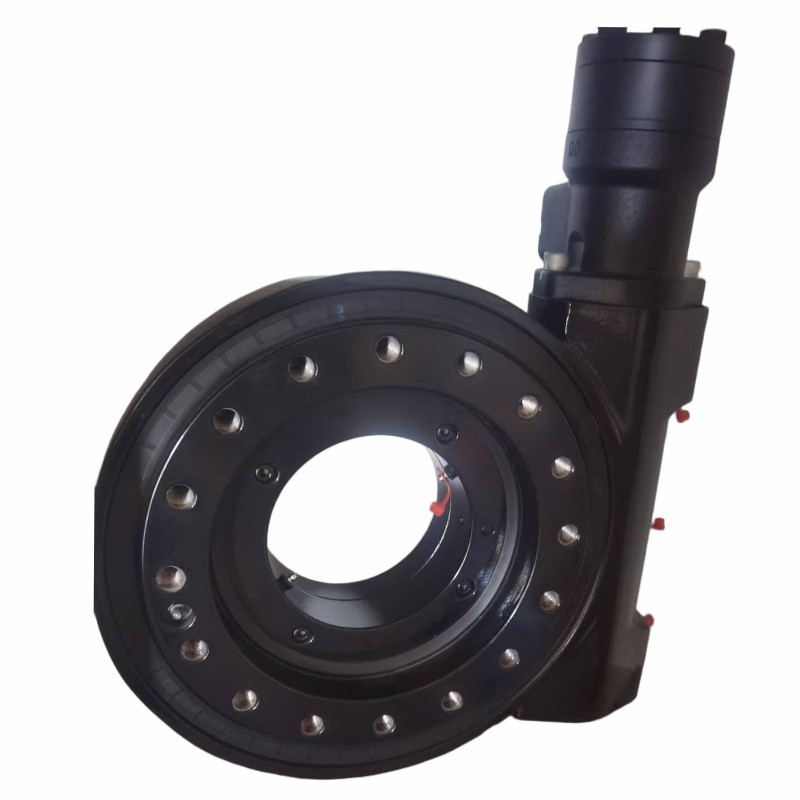
A high gear ratio slewing drive can provide more torque. This is great for large solar panel arrays or in areas with high wind speeds. With more torque, the drive can overcome the resistance and keep the panels moving accurately. For instance, if you have a big solar farm in a windy coastal area, a high gear ratio Imo Slew Drive would be a good choice. It can handle the extra load and ensure the panels are always pointed in the right direction.
On the other hand, a low gear ratio means less torque. But it also means the drive can rotate faster. This can be useful for smaller solar panel setups where less torque is needed. For example, in a residential solar installation, a low gear ratio slewing drive might be sufficient to move the panels quickly and efficiently throughout the day.
Impact on Tracking Speed and Accuracy
The gear ratio also affects the tracking speed of the solar panels. A low gear ratio allows the slewing drive to rotate at a higher speed. This means the panels can move more quickly to follow the sun. However, this speed can sometimes come at the cost of accuracy. If the drive rotates too fast, it might overshoot the target position, leading to less efficient sunlight capture.
A high gear ratio, on the other hand, results in slower tracking speed. But this slower speed often means more precise movement. The drive can make small, accurate adjustments to keep the panels perfectly aligned with the sun. This is crucial for maximizing the energy output of the solar panels.

In a solar tracking system, finding the right balance between speed and accuracy is key. You want the panels to move fast enough to keep up with the sun, but also accurately enough to capture as much sunlight as possible.
Impact on Energy Efficiency
Energy efficiency is a major concern in solar power generation. The gear ratio of the slewing drive can have a significant impact on how much energy the solar tracking system consumes.
A high gear ratio slewing drive typically requires more energy to operate because it has to generate more torque. However, the increased torque can lead to better tracking accuracy, which means the solar panels can capture more sunlight. In the long run, this can result in a net increase in energy production, even though the drive itself uses more power.
A low gear ratio slewing drive uses less energy to rotate. But if it can't provide enough torque or accuracy, the solar panels might not capture as much sunlight. This could lead to lower overall energy production.
So, when choosing a slewing drive for a solar tracking system, it's important to consider the energy efficiency of the drive in relation to the energy it helps the panels generate.
Impact on System Durability and Maintenance
The gear ratio can also affect the durability and maintenance requirements of the slewing drive. A high gear ratio drive is often subjected to more stress because it has to generate more torque. This can lead to more wear and tear on the gears and other components. As a result, high gear ratio drives might require more frequent maintenance and have a shorter lifespan.
On the other hand, a low gear ratio drive experiences less stress. This means it might be more durable and require less maintenance. However, if it can't perform the required tasks effectively, it might need to be replaced sooner.
As a supplier, we understand the importance of durability and maintenance. That's why we offer a range of slewing drives with different gear ratios to suit different needs. Our Imo Slew Drive is designed to be reliable and long-lasting, no matter what gear ratio you choose.
Choosing the Right Gear Ratio
So, how do you choose the right gear ratio for your solar tracking system? Well, it depends on several factors.
First, consider the size and weight of your solar panel array. Larger and heavier arrays will need a high gear ratio drive to provide enough torque. Second, think about the environmental conditions. If you're in an area with high wind speeds or other external forces, a high gear ratio is also a good idea.
Third, consider your energy efficiency goals. If you want to maximize energy production, you might need to balance the energy consumption of the drive with the energy it helps the panels generate. Finally, think about your budget and maintenance requirements. High gear ratio drives might cost more upfront and require more maintenance, while low gear ratio drives might be more affordable and easier to maintain.
Conclusion
In conclusion, the gear ratio of a slewing drive has a huge impact on a solar tracking system. It affects torque, power, tracking speed, accuracy, energy efficiency, durability, and maintenance. As a supplier, we're here to help you choose the right gear ratio for your specific needs.
If you're in the market for a slewing drive for your solar tracking system, don't hesitate to get in touch. We can provide you with more information about our products and help you make an informed decision. Whether you need a high gear ratio Imo Slew Drive for a large solar farm or a low gear ratio drive for a residential installation, we've got you covered.
References
- Solar Energy Industries Association. (Year). Solar Tracking Systems: An Overview.
- Engineering textbooks on gear systems and power transmission.