Hey there! As a supplier of slewing drives for solar tracking systems, I've seen firsthand how the mounting method of a slewing drive can have a huge impact on the performance of a solar tracking system. In this blog post, I'm going to dive into the nitty - gritty of how different mounting methods can affect your solar setup.
Let's start with the basics. A solar tracking system is designed to follow the sun's path throughout the day, ensuring that solar panels are always at the optimal angle to capture sunlight. A slewing drive is a crucial component in this system, as it provides the rotational movement needed for tracking.
1. Fixed - Mounting
One of the most straightforward mounting methods is fixed - mounting. In this approach, the slewing drive is firmly attached to a stable base, like a concrete foundation or a steel frame. It's a no - nonsense way to install the drive, and it has its own set of pros and cons.
On the plus side, fixed - mounting offers excellent stability. Once the slewing drive is securely bolted down, it's less likely to move or vibrate during operation. This stability is great for long - term performance, as it reduces wear and tear on the drive components. For example, if you're operating in an area with high winds, a fixed - mounted slewing drive is less likely to be affected by the gusts, keeping the solar panels in place and tracking accurately.
However, there are also some drawbacks. Fixed - mounting can be less flexible. If you need to make adjustments to the system later on, like changing the tracking angle or moving the panels to a different location, it can be a real hassle. You might have to disassemble the entire mounting structure, which is time - consuming and costly. Also, in some cases, a fixed - mounted drive might not be able to adapt well to uneven terrain. If the base isn't perfectly level, it can put extra stress on the slewing drive, leading to premature failure.
2. Adjustable - Mounting
Adjustable - mounting is another option that offers more flexibility compared to fixed - mounting. With this method, the slewing drive can be adjusted to different angles and positions. This is super useful if you want to optimize the solar tracking system for different seasons or if you're dealing with a site that has variable sunlight conditions.
For instance, during the winter months, the sun is lower in the sky. With an adjustable - mounted slewing drive, you can tilt the solar panels to a steeper angle to capture more sunlight. In the summer, when the sun is higher, you can adjust the panels to a flatter angle. This adaptability can significantly increase the energy output of the solar tracking system.
But adjustable - mounting isn't all roses. It's generally more complex and expensive to install. You need to have a mechanism in place to make the adjustments, which adds to the overall cost of the system. Also, the moving parts involved in the adjustable mounting can introduce more points of failure. If the adjustment mechanism malfunctions, it can disrupt the tracking process and reduce the efficiency of the solar panels.
3. Mobile - Mounting
Mobile - mounting is a unique option that's becoming more popular, especially for off - grid or portable solar applications. With this method, the slewing drive and the solar panels are mounted on a movable platform, like a trailer or a vehicle.

The biggest advantage of mobile - mounting is its portability. You can take your solar tracking system wherever you need it. This is great for construction sites, remote locations, or events where you need temporary power. For example, if you're working on a construction project in a remote area, you can easily move the solar tracking system around the site as needed.
However, mobile - mounting also comes with challenges. The constant movement can be tough on the slewing drive. It has to withstand vibrations and shocks during transportation, which can lead to accelerated wear. Also, ensuring proper stability during operation can be tricky. You need to make sure the platform is level and secure to prevent the solar panels from tilting or falling over.
4. Impact on Energy Efficiency
The mounting method of a slewing drive can have a direct impact on the energy efficiency of a solar tracking system. A well - mounted slewing drive ensures that the solar panels are always at the right angle to capture sunlight. This means more sunlight is converted into electricity, increasing the overall energy output of the system.
For example, an adjustable - mounted slewing drive that can adapt to different seasons can capture more sunlight throughout the year compared to a fixed - mounted drive that has a single, static angle. On the other hand, if the mounting is unstable, like in a mobile - mounting scenario where the platform isn't properly secured, the solar panels might not track the sun accurately, leading to a decrease in energy production.
5. Impact on Maintenance
Maintenance is another area where the mounting method makes a difference. Fixed - mounted slewing drives are generally easier to maintain. Since they're firmly attached to a stable base, there are fewer moving parts that can be affected by external factors. You can easily access the drive for inspections and repairs.
Adjustable - mounted drives, however, require more attention. The adjustment mechanism needs to be regularly checked and lubricated to ensure smooth operation. Mobile - mounted drives face the most challenges in terms of maintenance. The constant movement and exposure to different environments mean they're more likely to experience issues like loose bolts, worn - out bearings, or damaged gears.
6. The Imo Slew Drive
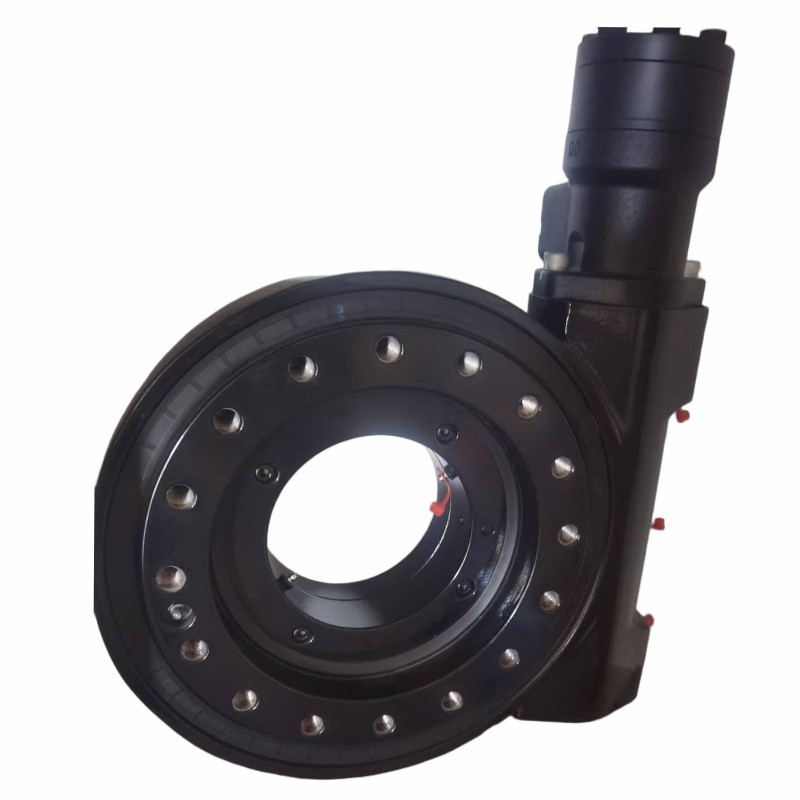
When it comes to slewing drives for solar tracking systems, the Imo Slew Drive is a great option. It's designed to be versatile and can be used with different mounting methods. Whether you choose fixed - mounting for stability, adjustable - mounting for flexibility, or mobile - mounting for portability, the Imo Slew Drive can adapt to your needs.
This drive is built with high - quality materials, which means it can withstand the rigors of different mounting conditions. For example, in a fixed - mounting setup, its robust construction ensures long - term stability. In an adjustable - mounting scenario, its precision - engineered components allow for smooth and accurate adjustments. And in a mobile - mounting situation, it can handle the vibrations and shocks associated with transportation.
Conclusion
In conclusion, the mounting method of a slewing drive has a profound impact on a solar tracking system. It affects everything from energy efficiency and maintenance to the overall flexibility and adaptability of the system. As a supplier, I always recommend carefully considering your specific needs and the site conditions before choosing a mounting method.
If you're in the market for a slewing drive for your solar tracking system, I'd love to have a chat with you. We can discuss the best mounting options for your project and how our products, like the Imo Slew Drive, can meet your requirements. Feel free to reach out and start a conversation about your solar tracking needs.
References
- Solar Energy Industries Association (SEIA) reports on solar tracking system performance
- Industry whitepapers on slewing drive technology and applications