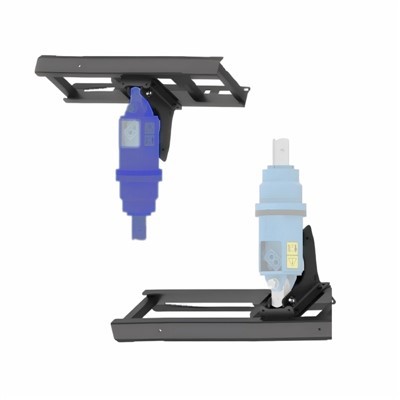
Hey there! As a supplier of Comer planetary gearboxes, I often get asked a bunch of questions about these nifty pieces of machinery. One question that pops up quite a bit is, "Can a Comer planetary gearbox be used in a vertical installation?" Well, let's dive right into it and find out.
First off, let's talk a bit about what Comer planetary gearboxes are. These gearboxes are known for their high efficiency, compact design, and ability to handle high torque loads. They're used in a wide range of applications, from industrial machinery to agricultural equipment. But when it comes to vertical installations, there are some things we need to consider.
Lubrication is Key
One of the most important factors in a vertical installation is lubrication. In a horizontal installation, gravity helps distribute the lubricant evenly throughout the gearbox. But in a vertical setup, things get a bit trickier. The lubricant tends to pool at the bottom of the gearbox, which can lead to insufficient lubrication in the upper parts of the gears and bearings.
Comer has designed their planetary gearboxes to address this issue. They use special lubricants and internal design features to ensure proper lubrication even in vertical installations. For example, some models have oil channels and baffles that help direct the lubricant to where it's needed most. However, it's still crucial to follow the manufacturer's recommendations for lubricant type and change intervals.
Heat Dissipation
Another challenge in vertical installations is heat dissipation. When a gearbox is operating vertically, the heat generated by the gears and bearings has a harder time escaping. This can lead to higher operating temperatures, which can reduce the lifespan of the gearbox and its components.
Comer planetary gearboxes are built with heat dissipation in mind. They have finned housings and other features that increase the surface area for heat transfer. Additionally, proper ventilation and cooling systems can be installed to help keep the temperature in check. It's also important to monitor the operating temperature regularly to ensure it stays within the recommended range.
Load Distribution
In a vertical installation, the load distribution on the gears and bearings can be different compared to a horizontal setup. The weight of the gearbox and the attached equipment can put additional stress on certain parts of the gearbox. This can lead to premature wear and failure if not properly accounted for.
Comer engineers have taken this into consideration when designing their planetary gearboxes. They use advanced computer simulations and testing to optimize the load distribution in vertical installations. However, it's still important to select the right gearbox for the specific application and to ensure that it's properly installed and aligned.
Real-World Examples
Let's take a look at some real-world examples of Comer planetary gearboxes being used in vertical installations. One popular model is the Comer Pg1003. This gearbox is commonly used in vertical conveyor systems, where it provides reliable and efficient power transmission. Another example is the Sany Suote Gs9t99, which is used in vertical mixing equipment.


These examples show that Comer planetary gearboxes can be successfully used in vertical installations. However, it's important to work with a knowledgeable supplier who can help you select the right gearbox for your specific application and provide support throughout the installation and operation process.
Installation and Maintenance
Proper installation and maintenance are crucial for the successful operation of a Comer planetary gearbox in a vertical installation. Here are some tips to keep in mind:
- Follow the Manufacturer's Instructions: Always follow the installation and maintenance instructions provided by Comer. This includes proper alignment, torque specifications, and lubrication procedures.
- Use the Right Tools and Equipment: Make sure you have the right tools and equipment for the installation and maintenance of the gearbox. This includes torque wrenches, alignment tools, and lubrication equipment.
- Inspect Regularly: Regularly inspect the gearbox for signs of wear, damage, or leaks. This can help you catch any issues early and prevent costly repairs or downtime.
- Train Your Staff: Make sure your staff is properly trained on the installation, operation, and maintenance of the Comer planetary gearbox. This can help ensure safe and efficient operation.
Conclusion
So, can a Comer planetary gearbox be used in a vertical installation? The answer is yes! Comer has designed their planetary gearboxes to address the challenges of vertical installations, such as lubrication, heat dissipation, and load distribution. However, it's important to follow the manufacturer's recommendations and take proper precautions to ensure the long-term reliability and performance of the gearbox.
If you're considering using a Comer planetary gearbox in a vertical installation, I encourage you to reach out to us. We're a trusted supplier of Comer planetary gearboxes and have the expertise and experience to help you select the right gearbox for your specific application. We can also provide support throughout the installation and operation process to ensure your success.
Let's work together to find the perfect Comer planetary gearbox for your vertical installation. Contact us today to start the conversation!
References
- Comer Industries official product documentation
- Industry research on planetary gearbox applications in vertical installations