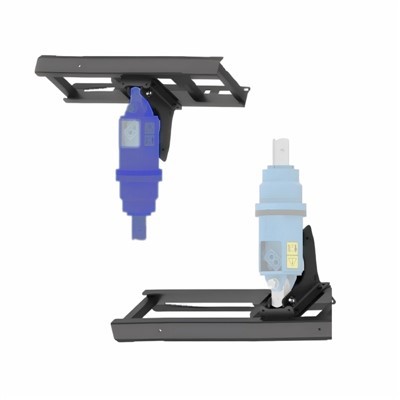
As an auger teeth supplier, I've often been asked whether auger teeth can be used for geothermal drilling. Geothermal energy is a renewable and sustainable source of power that has gained significant attention in recent years. The process of geothermal drilling involves creating boreholes in the Earth's crust to access hot water or steam, which can then be used to generate electricity or for direct heating purposes. In this blog post, I'll explore the feasibility of using auger teeth in geothermal drilling, considering the unique challenges and requirements of this specialized field.
Understanding Auger Teeth
Auger teeth are cutting tools designed for use with auger drills, which are commonly used in construction, mining, and agriculture. These teeth are typically made from high-strength materials such as carbide or steel and are designed to penetrate and break up various types of soil and rock. The shape and design of auger teeth can vary depending on the specific application, with different tooth geometries optimized for different ground conditions.
One of the key advantages of auger teeth is their versatility. They can be used in a wide range of drilling applications, from shallow soil sampling to deep foundation drilling. Auger teeth are also relatively easy to replace, which makes them a cost-effective solution for maintaining drilling equipment.
Challenges in Geothermal Drilling
Geothermal drilling presents several unique challenges compared to other types of drilling. One of the primary challenges is the high temperatures and pressures encountered at depth. Geothermal reservoirs can be located several kilometers below the Earth's surface, where temperatures can exceed 300°C (572°F) and pressures can reach several hundred megapascals. These extreme conditions can cause significant wear and damage to drilling equipment, including auger teeth.


Another challenge in geothermal drilling is the presence of hard and abrasive rock formations. Geothermal reservoirs are often located in areas with complex geology, including igneous and metamorphic rocks that can be extremely hard and difficult to drill through. These rocks can cause rapid wear and breakage of auger teeth, reducing their effectiveness and increasing the cost of drilling.
In addition to high temperatures and hard rock formations, geothermal drilling also requires careful management of fluid circulation. Drilling fluids are used to cool the drill bit, remove cuttings from the borehole, and maintain pressure in the wellbore. In geothermal drilling, the high temperatures and pressures can cause the drilling fluids to degrade, reducing their effectiveness and potentially causing damage to the wellbore.
Can Auger Teeth be Used for Geothermal Drilling?
Despite the challenges presented by geothermal drilling, auger teeth can be used in certain geothermal applications. In shallow geothermal systems, where the temperature and pressure conditions are relatively mild, auger teeth can be an effective and cost-efficient solution for drilling boreholes. Shallow geothermal systems typically involve drilling to depths of less than 100 meters (328 feet) and are used for residential and commercial heating and cooling applications.
In these shallow geothermal applications, auger teeth can be used to drill through soil and soft rock formations. The relatively low temperatures and pressures encountered at these depths reduce the risk of wear and damage to the auger teeth, allowing them to maintain their cutting performance over a longer period of time. Auger teeth can also be designed with specialized geometries and materials to optimize their performance in these specific ground conditions.
However, in deeper geothermal systems, where the temperature and pressure conditions are more extreme, the use of auger teeth becomes more challenging. At depths greater than 100 meters (328 feet), the high temperatures and pressures can cause significant wear and damage to the auger teeth, reducing their effectiveness and increasing the cost of drilling. In these cases, other types of drilling equipment, such as diamond or roller cone bits, may be more suitable.
Considerations for Using Auger Teeth in Geothermal Drilling
If you're considering using auger teeth for geothermal drilling, there are several factors to keep in mind. First, it's important to choose the right type of auger teeth for the specific ground conditions and drilling application. Different tooth geometries and materials are optimized for different types of soil and rock, so it's important to select the teeth that are best suited for the job.
Second, it's important to consider the temperature and pressure conditions at the drilling site. High temperatures and pressures can cause significant wear and damage to the auger teeth, so it's important to choose teeth that are designed to withstand these extreme conditions. Some auger teeth are designed with heat-resistant materials and coatings to help protect them from the high temperatures encountered in geothermal drilling.
Third, it's important to maintain the auger teeth properly to ensure their long-term performance. Regular inspection and replacement of worn or damaged teeth can help prevent costly downtime and ensure the efficiency of the drilling operation. It's also important to follow the manufacturer's recommendations for maintenance and lubrication of the auger teeth.
Related Auger Wear Parts
In addition to auger teeth, there are several other wear parts that are commonly used in auger drilling, including Auger Tooth Pocket, Auger Pin Clip, and Auger Drill Pilot. These wear parts play an important role in the performance and longevity of the auger drill, and it's important to choose high-quality parts that are designed to withstand the rigors of geothermal drilling.
Conclusion
In conclusion, while auger teeth can be used in certain geothermal applications, their use in deeper geothermal systems is more challenging due to the high temperatures, pressures, and hard rock formations encountered at depth. In shallow geothermal systems, where the temperature and pressure conditions are relatively mild, auger teeth can be an effective and cost-efficient solution for drilling boreholes. However, it's important to choose the right type of auger teeth for the specific ground conditions and drilling application, and to maintain the teeth properly to ensure their long-term performance.
If you're interested in using auger teeth for geothermal drilling or have any questions about our products, please don't hesitate to contact us. We're a leading supplier of auger teeth and related wear parts, and we're committed to providing our customers with high-quality products and excellent customer service. Whether you're a small contractor or a large geothermal energy company, we have the expertise and products to meet your drilling needs.
References
- API Recommended Practice 5G1, Specification for Drill Pipe
- ASME Boiler and Pressure Vessel Code, Section VIII, Division 1
- International Association for Geothermal Research (IAGR) publications
- National Renewable Energy Laboratory (NREL) reports on geothermal energy