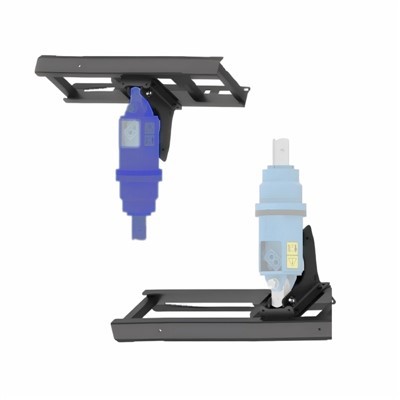
Hey there! As a supplier of hydraulic hoist winches, I've seen firsthand how these powerful machines can make a huge difference in various industries. But like any piece of equipment, they need proper care to last a long time. In this blog, I'm gonna share some tips on how to extend the service life of a hydraulic hoist winch.
Regular Maintenance Checks
One of the most important things you can do is to perform regular maintenance checks. This includes inspecting the winch for any signs of wear and tear, such as loose bolts, frayed cables, or leaks in the hydraulic system. You should also check the fluid levels in the hydraulic reservoir and make sure they are at the recommended level. If you notice any issues during your inspection, it's important to address them right away to prevent further damage.
For example, if you find a leak in the hydraulic system, you'll need to identify the source of the leak and repair it as soon as possible. A small leak can quickly turn into a big problem if left untreated, leading to reduced performance and even system failure. You can use a hydraulic leak detector to help you find the source of the leak.
Keep It Clean
Another key factor in extending the service life of your hydraulic hoist winch is to keep it clean. Dirt, dust, and debris can accumulate on the winch over time, which can cause damage to the moving parts and reduce its efficiency. Make sure to clean the winch regularly, especially after use in dirty or dusty environments.
You can use a mild detergent and a soft brush to clean the exterior of the winch. Be careful not to get water inside the winch, as this can damage the electrical components. After cleaning, dry the winch thoroughly to prevent rust and corrosion.
Proper Lubrication
Proper lubrication is essential for the smooth operation of your hydraulic hoist winch. The moving parts of the winch, such as the gears, bearings, and cables, need to be lubricated regularly to reduce friction and wear. Make sure to use the recommended lubricant for your winch and follow the manufacturer's instructions for lubrication.


For example, some winches require a specific type of grease, while others may need oil. Using the wrong lubricant can cause damage to the winch and reduce its service life. You should also lubricate the winch at the recommended intervals to ensure optimal performance.
Use It Correctly
Using your hydraulic hoist winch correctly is also important for its longevity. Make sure to follow the manufacturer's instructions for operation and avoid overloading the winch. Overloading can cause excessive stress on the winch, leading to premature wear and damage.
For example, if the winch has a maximum load capacity of 5 tons, don't try to lift a 6-ton load. This can cause the winch to overheat, damage the cables, and even cause the winch to fail. You should also avoid sudden starts and stops, as this can put additional stress on the winch.
Store It Properly
When you're not using your hydraulic hoist winch, it's important to store it properly. Make sure to store the winch in a dry, clean place, away from moisture and extreme temperatures. You can also cover the winch with a protective cover to prevent dust and debris from accumulating on it.
If you need to store the winch for an extended period of time, you should also take some additional steps to protect it. For example, you can drain the hydraulic fluid from the system and store it in a sealed container. You should also lubricate the moving parts to prevent rust and corrosion.
Training and Education
Finally, it's important to provide training and education to the operators of your hydraulic hoist winch. Make sure they understand how to use the winch correctly and how to perform basic maintenance tasks. This can help prevent accidents and damage to the winch, as well as extend its service life.
You can provide training in-house or hire a professional trainer to come in and train your operators. Make sure the training covers all aspects of the winch, including operation, maintenance, and safety. You should also provide your operators with a user manual and other resources to help them use the winch correctly.
In conclusion, extending the service life of a hydraulic hoist winch requires regular maintenance, proper cleaning, lubrication, correct use, proper storage, and training. By following these tips, you can ensure that your winch performs at its best for many years to come.
If you're in the market for a hydraulic hoist winch, we offer a wide range of products to meet your needs. Check out our Small Hydraulic Winch, Hydraulic Anchor Winch, and Pullmaster Winch. If you have any questions or would like to discuss your specific requirements, feel free to reach out to us. We're here to help you find the perfect winch for your application.
References:
- Manufacturer's manuals for hydraulic hoist winches
- Industry best practices for winch maintenance and operation