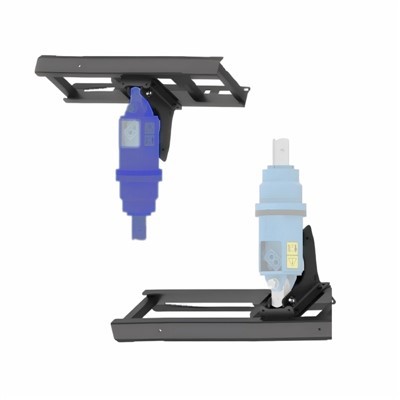
As a supplier of slewing drives for solar tracking systems, I understand the critical role that these components play in the efficiency and longevity of solar installations. One of the most significant challenges faced by slewing drives in solar tracking systems is corrosion, which can lead to premature failure, reduced performance, and increased maintenance costs. In this blog post, I will share some practical strategies on how to improve the corrosion resistance of a slewing drive in a solar tracking system.
Understanding the Corrosion Mechanisms in Solar Tracking Systems
Before delving into the solutions, it is essential to understand the corrosion mechanisms that affect slewing drives in solar tracking systems. Solar tracking systems are often exposed to harsh environmental conditions, including moisture, salt, and chemicals, which can accelerate the corrosion process. There are several types of corrosion that can occur in slewing drives, including:
- Galvanic Corrosion: This type of corrosion occurs when two different metals are in contact in the presence of an electrolyte, such as water or saltwater. The more active metal (anode) corrodes preferentially, while the less active metal (cathode) remains relatively unaffected.
- Pitting Corrosion: Pitting corrosion is a localized form of corrosion that occurs when small holes or pits form on the surface of the metal. This type of corrosion can be particularly damaging as it can penetrate deep into the metal, leading to structural failure.
- Crevice Corrosion: Crevice corrosion occurs in narrow gaps or crevices between two metal surfaces or between a metal and a non - metal. The restricted access to oxygen in these areas creates a differential aeration cell, which promotes corrosion.
- Atmospheric Corrosion: Solar tracking systems are exposed to the atmosphere, and the presence of pollutants, humidity, and temperature variations can cause atmospheric corrosion. This type of corrosion can lead to the formation of rust and other corrosion products on the surface of the slewing drive.
Material Selection
One of the most effective ways to improve the corrosion resistance of a slewing drive is to select the right materials. The choice of materials should be based on the specific environmental conditions in which the solar tracking system will operate.
- Stainless Steel: Stainless steel is a popular choice for slewing drives due to its excellent corrosion resistance. It contains chromium, which forms a passive oxide layer on the surface of the metal, protecting it from corrosion. Austenitic stainless steels, such as 304 and 316, are commonly used in solar applications. 316 stainless steel, in particular, contains molybdenum, which enhances its resistance to pitting and crevice corrosion, making it suitable for coastal or high - humidity environments.
- Aluminum Alloys: Aluminum alloys are lightweight and have good corrosion resistance. They form a thin oxide layer on the surface, which provides some protection against corrosion. However, aluminum alloys may require additional surface treatments to improve their corrosion resistance in more aggressive environments. For example, anodizing can be used to thicken the oxide layer and enhance its protective properties.
- Coatings: Applying a protective coating to the slewing drive can significantly improve its corrosion resistance. There are several types of coatings available, including epoxy coatings, polyurethane coatings, and zinc - rich primers. Epoxy coatings are known for their excellent adhesion and chemical resistance, while polyurethane coatings offer good weatherability. Zinc - rich primers provide sacrificial protection to the underlying metal, as zinc corrodes preferentially to the base metal.
Design Considerations
The design of the slewing drive can also have a significant impact on its corrosion resistance.
- Avoiding Crevices and Gaps: As mentioned earlier, crevices and gaps can promote crevice corrosion. When designing the slewing drive, it is important to minimize the number of crevices and ensure that any joints or connections are properly sealed. For example, using O - rings or gaskets can prevent the ingress of moisture and other corrosive agents into the crevices.
- Drainage and Ventilation: Proper drainage and ventilation are crucial to prevent the accumulation of moisture inside the slewing drive. Design features such as drainage holes and ventilation ports can help to remove water and ensure good air circulation, reducing the risk of corrosion.
- Surface Finish: A smooth surface finish can reduce the likelihood of corrosion initiation. Rough surfaces can trap moisture and debris, providing a favorable environment for corrosion. Polishing the surface of the slewing drive can improve its corrosion resistance by reducing the surface area available for corrosion and making it easier to clean.
Maintenance and Inspection
Regular maintenance and inspection are essential to ensure the long - term corrosion resistance of the slewing drive.
- Cleaning: Periodically cleaning the slewing drive can remove dirt, debris, and corrosive substances from the surface. Use a mild detergent and water to clean the drive, and avoid using abrasive cleaners that could damage the protective coating or surface finish.
- Inspection: Conduct regular visual inspections of the slewing drive to detect any signs of corrosion, such as rust, pitting, or discoloration. Early detection of corrosion allows for timely repairs or preventive measures to be taken. Inspect the coating for any signs of damage or peeling, and repair or recoat the affected areas as necessary.
- Lubrication: Proper lubrication not only reduces friction and wear but also provides some protection against corrosion. Use a high - quality lubricant that is compatible with the materials of the slewing drive and the environmental conditions. The lubricant should be applied at regular intervals to ensure continuous protection.
Environmental Control
In some cases, it may be possible to control the environment around the solar tracking system to reduce the risk of corrosion.
- Enclosures: Installing the slewing drive in an enclosure can protect it from direct exposure to the elements. The enclosure should be made of a corrosion - resistant material and should be properly sealed to prevent the ingress of moisture, dust, and other contaminants.
- Humidity and Temperature Control: In areas with high humidity or extreme temperature variations, it may be beneficial to control the humidity and temperature inside the enclosure. This can be achieved using dehumidifiers, heaters, or air - conditioning units.
Case Study: Imo Slew Drive
The Imo Slew Drive is a product that incorporates many of the strategies mentioned above to improve corrosion resistance. It is made of high - quality stainless steel, which provides excellent base - level corrosion protection. The design of the Imo Slew Drive minimizes crevices and gaps, and it features proper drainage and ventilation to prevent moisture accumulation. Additionally, it is coated with a high - performance epoxy coating to further enhance its corrosion resistance.
Conclusion
Improving the corrosion resistance of a slewing drive in a solar tracking system is a multi - faceted approach that involves material selection, design considerations, maintenance, and environmental control. By implementing these strategies, we can ensure the long - term reliability and performance of the slewing drive, reducing maintenance costs and extending the lifespan of the solar tracking system.
If you are interested in learning more about our slewing drives for solar tracking systems or have any questions regarding corrosion resistance, please feel free to contact us for a detailed discussion and potential procurement. We are committed to providing high - quality products and solutions to meet your specific needs.


References
- Fontana, M. G. (1986). Corrosion Engineering. McGraw - Hill.
- Uhlig, H. H., & Revie, R. W. (1985). Corrosion and Corrosion Control. Wiley - Interscience.
- ASTM International. (2019). ASTM Standards on Corrosion. ASTM International.