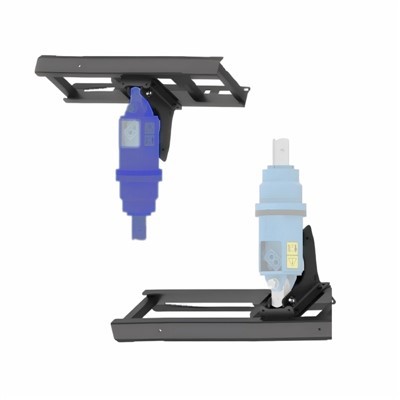
Is an Auger Drive Safe to Use?
As a supplier of auger drives, I often get asked about the safety of these powerful tools. Auger drives are widely used in various industries, including construction, landscaping, and agriculture, for tasks such as drilling holes for fence posts, tree planting, and foundation work. In this blog post, I will explore the safety aspects of using an auger drive and provide some tips to ensure safe operation.
Understanding Auger Drives
Before delving into safety, it's important to understand what an auger drive is and how it works. An auger drive is a mechanical device that uses a rotating helical screw blade, known as an auger, to drill into the ground. It is typically powered by a hydraulic system, which provides the necessary torque and speed to penetrate different types of soil and rock.


Auger drives come in various sizes and configurations to suit different applications. They can be attached to different types of equipment, such as skid steers, excavators, and backhoes. Some common types of auger drives include Hydraulic Auger Drive, which are powered by hydraulic fluid, and Auger Drive for Backhoes, which are specifically designed for use with backhoe loaders.
Safety Features of Auger Drives
Modern auger drives are equipped with several safety features to minimize the risk of accidents and injuries. These features include:
- Overload Protection: Many auger drives are designed with overload protection systems that automatically shut off the drive if it encounters excessive resistance. This helps prevent damage to the equipment and reduces the risk of operator injury.
- Emergency Stop Button: An emergency stop button is a standard safety feature on most auger drives. It allows the operator to quickly stop the rotation of the auger in case of an emergency.
- Guardrails and Shields: Auger drives are often equipped with guardrails and shields to protect the operator from moving parts and flying debris. These guards should be properly installed and maintained to ensure their effectiveness.
- Anti-Kickback Device: Some auger drives are equipped with an anti-kickback device, which helps prevent the auger from suddenly jerking back if it hits an obstacle. This feature reduces the risk of operator injury and damage to the equipment.
Safe Operation of Auger Drives
While auger drives are generally safe to use when operated correctly, it's important to follow some basic safety guidelines to minimize the risk of accidents. Here are some tips for safe operation:
- Read the Operator's Manual: Before using an auger drive, carefully read the operator's manual provided by the manufacturer. The manual contains important information about the safe operation, maintenance, and troubleshooting of the equipment.
- Inspect the Equipment: Before each use, inspect the auger drive for any signs of damage or wear. Check the hydraulic hoses, fittings, and connections for leaks, and make sure all safety guards are in place and functioning properly.
- Wear Personal Protective Equipment (PPE): Always wear appropriate PPE, such as safety glasses, hard hats, gloves, and steel-toed boots, when operating an auger drive. PPE helps protect you from flying debris, dust, and other hazards.
- Choose the Right Auger Bit: Select the appropriate auger bit for the type of soil and application. Using the wrong auger bit can increase the risk of accidents and damage to the equipment.
- Position the Equipment Correctly: Make sure the equipment is properly positioned and stabilized before starting the auger drive. Avoid operating the auger drive on uneven or unstable ground, as this can increase the risk of tipping over.
- Use Caution When Drilling: When drilling, use slow and steady pressure to avoid overloading the auger drive. If the auger encounters an obstacle, stop the drill immediately and remove the obstacle before continuing.
- Keep bystanders away: Keep bystanders at a safe distance from the auger drive while it is in operation. Make sure they are aware of the potential hazards and stay clear of the rotating auger.
- Maintain the Equipment: Regularly maintain the auger drive according to the manufacturer's recommendations. This includes lubricating the moving parts, checking the hydraulic fluid level, and replacing worn or damaged parts.
Potential Hazards and Risks
Despite the safety features and guidelines, there are still some potential hazards and risks associated with using an auger drive. These include:
- Pinch Points: The rotating auger and other moving parts of the auger drive can create pinch points, which can cause serious injuries if fingers, hands, or clothing get caught.
- Flying Debris: When drilling, the auger can kick up dirt, rocks, and other debris, which can cause eye injuries or other damage.
- Tipping Over: If the equipment is not properly positioned or stabilized, it can tip over, causing serious injuries to the operator and bystanders.
- Electrical Hazards: If the auger drive is powered by electricity, there is a risk of electrical shock if the electrical system is not properly maintained or if the operator comes into contact with live wires.
- Hydraulic Fluid Leaks: Hydraulic fluid leaks can create a slippery surface, which can increase the risk of slips, trips, and falls. They can also cause environmental damage if not properly contained.
Conclusion
In conclusion, auger drives are generally safe to use when operated correctly and with proper safety precautions. By following the manufacturer's guidelines, using appropriate PPE, and being aware of the potential hazards, you can minimize the risk of accidents and injuries.
As a supplier of auger drives, we are committed to providing our customers with high-quality, safe, and reliable equipment. If you have any questions or need further information about the safety of our auger drives, please do not hesitate to contact us. We are here to help you make an informed decision and ensure that you have a safe and successful experience using our products.
If you are interested in purchasing an auger drive, we offer a wide range of Digga PDX2 Replacement and other models to suit your needs. Our team of experts can help you choose the right auger drive for your application and provide you with the support and service you need. Contact us today to discuss your requirements and start the procurement process.
References
- Manufacturer's Operator's Manuals
- Occupational Safety and Health Administration (OSHA) Guidelines
- Industry Standards and Best Practices