In the intricate web of the global supply chain network, numerous hitches can disrupt the smooth flow of goods and services. As a supplier of high - quality hitches, I have witnessed firsthand the challenges that can arise at every stage of the supply chain. In this blog, I will delve into the various hitches that plague the global supply chain network and how they impact businesses and consumers alike.
1. Transportation Delays
One of the most common hitches in the global supply chain is transportation delays. Whether it's due to bad weather, port congestion, or labor strikes, these delays can have a significant impact on the delivery of goods. For example, during the peak holiday season, ports around the world often experience a surge in cargo volume, leading to long waiting times for ships to dock and unload. This can cause delays in the delivery of products to retailers, resulting in lost sales and dissatisfied customers.
Moreover, transportation delays can also increase costs. When goods are held up in transit, companies may have to pay additional storage fees, demurrage charges, and expedited shipping costs to get their products to market on time. These additional costs can eat into profit margins and make it difficult for businesses to remain competitive.
2. Supply Disruptions
Supply disruptions are another major hitch in the global supply chain. Natural disasters, political unrest, and trade disputes can all disrupt the supply of raw materials and components. For instance, a major earthquake or tsunami can damage factories and infrastructure in a key manufacturing region, halting production and causing shortages of essential goods.
Political unrest and trade disputes can also have a significant impact on the supply chain. Tariffs, trade barriers, and sanctions can make it more difficult and expensive for companies to source materials and components from overseas. This can lead to supply shortages, increased costs, and reduced competitiveness.
3. Quality Control Issues
Quality control is a critical aspect of the global supply chain. Ensuring that products meet the required standards and specifications is essential for maintaining customer satisfaction and brand reputation. However, quality control issues can arise at any stage of the supply chain, from raw material sourcing to final product assembly.
For example, if a supplier provides sub - standard raw materials, it can affect the quality of the final product. This can lead to product recalls, customer complaints, and damage to the brand. Additionally, differences in quality standards and regulations across different countries can make it challenging for companies to ensure consistent quality throughout the supply chain.
4. Inventory Management Challenges
Effective inventory management is crucial for the smooth operation of the global supply chain. Maintaining the right level of inventory can help companies meet customer demand while minimizing costs. However, inventory management can be a complex and challenging task, especially in a global supply chain.
Overstocking can tie up capital and increase storage costs, while understocking can lead to stockouts and lost sales. Forecast errors, demand variability, and supply chain disruptions can all make it difficult for companies to accurately predict inventory levels. As a result, companies may find themselves either holding too much inventory or not having enough to meet customer demand.
5. Technology and Data Management
In today's digital age, technology and data management play a vital role in the global supply chain. However, many companies struggle with integrating new technologies and managing large amounts of data. For example, implementing an enterprise resource planning (ERP) system can be a complex and costly process, and many companies may face challenges in getting all their departments to use the system effectively.
Data security is also a major concern in the global supply chain. With the increasing use of digital technologies, companies are collecting and storing more sensitive data than ever before. A data breach can not only lead to financial losses but also damage the company's reputation and erode customer trust.
Our Solutions as a Hitch Supplier
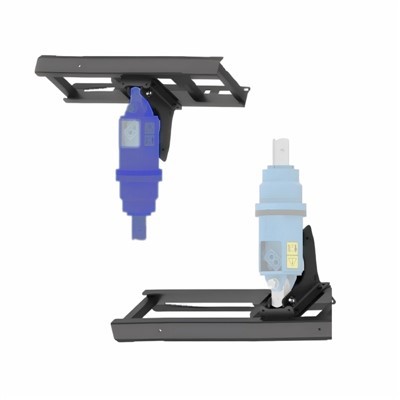
As a supplier of hitches, including Double Pin Cradle Hitch, Single Pin Hitch, and Double Pin Hitch, we understand the importance of addressing these hitches in the supply chain.
We have implemented a comprehensive quality control system to ensure that our hitches meet the highest standards of quality and reliability. Our products are rigorously tested at every stage of the manufacturing process to ensure that they are safe and durable.
To address transportation and supply chain disruptions, we have established strong partnerships with reliable logistics providers. We work closely with them to monitor shipping schedules, track inventory, and find alternative routes when necessary. This helps us to minimize transportation delays and ensure the timely delivery of our products.
In terms of inventory management, we use advanced forecasting tools and techniques to predict demand accurately. This allows us to maintain optimal inventory levels, reducing the risk of overstocking or understocking.
We also invest in the latest technology and data management systems to improve the efficiency and transparency of our supply chain. Our ERP system integrates all aspects of our business, from production planning to customer service, allowing us to make informed decisions and respond quickly to changes in the market.
Conclusion
The global supply chain network is a complex and dynamic system that is prone to a variety of hitches. Transportation delays, supply disruptions, quality control issues, inventory management challenges, and technology and data management problems can all have a significant impact on the performance of the supply chain.
However, by understanding these challenges and implementing effective solutions, companies can minimize the impact of these hitches and ensure the smooth operation of their supply chain. As a hitch supplier, we are committed to providing high - quality products and reliable services to our customers. We believe that by working together, we can overcome the challenges in the global supply chain and achieve mutual success.


If you are interested in our hitches or would like to discuss your supply chain needs, please feel free to reach out to us. We look forward to the opportunity to work with you and help you solve your supply chain challenges.
References
- Christopher, M. (2016). Logistics & Supply Chain Management. Pearson.
- Chopra, S., & Meindl, P. (2016). Supply Chain Management: Strategy, Planning, and Operation. Pearson.
- Handfield, R. B., & Nichols Jr, E. L. (2017). Introduction to Supply Chain Management. Pearson.