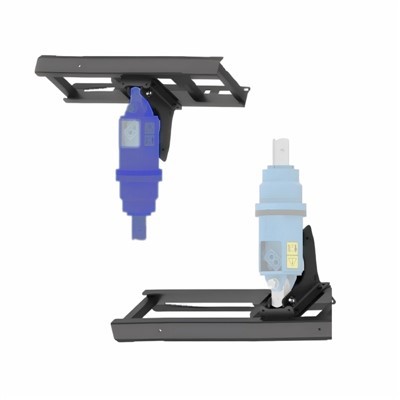
Hey there! I'm a supplier of auger wear parts, and today I want to chat about the environmental impacts of manufacturing these parts. Auger wear parts are crucial in many industries, like construction and mining, but it's important to understand how their production affects our planet.
Raw Material Extraction
First off, let's talk about where the materials for auger wear parts come from. Most of these parts are made from metals like steel and iron. Extracting these metals from the earth is a big deal. Mining operations require a ton of energy. They use heavy machinery that burns fossil fuels, which releases greenhouse gases into the atmosphere. These gases are a major contributor to global warming.
For example, to get iron ore, large open - pit mines are often used. These mines can destroy vast areas of natural habitats. Animals lose their homes, and the local ecosystem can be severely disrupted. Vegetation is cleared, and soil erosion becomes a big problem. The runoff from these mines can also contaminate nearby water sources with heavy metals and other pollutants. This not only affects the water quality but also harms aquatic life.
Manufacturing Processes
Once the raw materials are extracted, they need to be turned into auger wear parts. The manufacturing process involves several steps, each with its own environmental impact.
Melting and Casting
One of the first steps is melting the metals. This usually happens in a furnace, which requires a huge amount of energy. The heat needed to melt steel, for instance, is extremely high. Most furnaces burn coal or natural gas to generate this heat, and as a result, they emit large amounts of carbon dioxide and other pollutants.
After melting, the metal is cast into the desired shape. This process can produce waste materials. Some of the molten metal might spill or not be used properly, and it can't always be recycled easily. There are also chemicals used in the casting process, like mold release agents, which can be harmful to the environment if not disposed of correctly.
Machining
Machining is another important step in making auger wear parts. This involves cutting, drilling, and shaping the metal to get the right dimensions. Machining operations generate a lot of waste in the form of metal chips. These chips can be recycled, but it takes energy and resources to do so. Also, the cutting fluids used in machining can be a problem. They often contain chemicals that can contaminate soil and water if they're not managed properly.
Energy Consumption
The entire manufacturing process of auger wear parts is energy - intensive. From the mining of raw materials to the final assembly of the parts, a significant amount of electricity and fossil fuels are used. This high energy consumption not only depletes our natural resources but also contributes to air pollution.


In addition to the direct energy used in the manufacturing plant, there's also the energy needed for transportation. Raw materials have to be transported from the mines to the manufacturing facilities, and then the finished auger wear parts need to be shipped to customers. Trucks, trains, and ships that are used for this transportation burn a lot of fuel and emit greenhouse gases.
Waste Generation
As mentioned earlier, waste is a major issue in the manufacturing of auger wear parts. There are different types of waste, including solid waste, liquid waste, and hazardous waste.
Solid waste includes metal scraps, defective parts, and packaging materials. While some of the metal waste can be recycled, not all of it is. Recycling also has its own energy and resource requirements. Packaging materials, such as cardboard boxes and plastic wraps, often end up in landfills if they're not recycled.
Liquid waste comes from processes like machining and cleaning. The cutting fluids and cleaning agents can contain harmful chemicals. If these liquids are dumped into the environment without proper treatment, they can cause serious damage to water sources and soil.
Hazardous waste is another concern. Some of the chemicals used in the manufacturing process, like certain coatings and adhesives, can be toxic. Proper disposal of this hazardous waste is crucial to prevent environmental contamination.
Our Efforts as a Supplier
As an auger wear parts supplier, we're aware of these environmental impacts, and we're taking steps to reduce them.
Recycling
We make sure to recycle as much of the metal waste as possible. Our recycling program helps to reduce the demand for new raw materials. By recycling, we not only save energy but also reduce the environmental damage caused by mining.
Energy - Efficient Manufacturing
We're constantly looking for ways to make our manufacturing processes more energy - efficient. We've upgraded some of our equipment to use less electricity and fossil fuels. For example, we've installed more energy - efficient furnaces that use less fuel to melt the metals.
Waste Management
We have a strict waste management system in place. Our solid waste is sorted, and the recyclable materials are sent for recycling. Liquid waste is treated before it's discharged, and hazardous waste is disposed of according to the environmental regulations.
The Importance of Sustainable Auger Wear Parts
Using sustainable auger wear parts is not only good for the environment but also makes economic sense in the long run. Sustainable parts are often made from recycled materials, which can reduce the cost of production. They also tend to be more durable, which means they need to be replaced less frequently. This reduces waste and saves resources.
When you're in the market for auger wear parts, look for suppliers who are committed to sustainability. You can check our range of sustainable auger wear parts, like the Auger Drill Pilot, Auger Tooth Pocket, and Auger Pin Clip. These parts are made with the environment in mind, without compromising on quality.
Conclusion
The manufacturing of auger wear parts has several environmental impacts, from raw material extraction to waste generation. However, as a supplier, we're doing our part to minimize these impacts. We believe that by working together with our customers, we can make a positive difference. If you're interested in learning more about our sustainable auger wear parts or want to discuss a potential purchase, don't hesitate to reach out. Let's make the manufacturing and use of auger wear parts more environmentally friendly.
References
- Environmental Protection Agency. (2023). Industrial Waste Management.
- International Energy Agency. (2023). Energy Consumption in Manufacturing.
- Mining Journal. (2023). Impact of Mining on Natural Habitats.