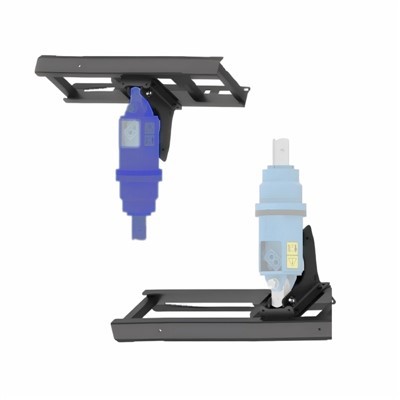
The flow rate requirement of a hydraulic auger drive is a critical factor that significantly impacts its performance and efficiency. As an experienced auger drive supplier, I've encountered numerous inquiries regarding this topic. In this blog, I'll delve into the details of flow rate requirements for hydraulic auger drives, exploring the factors that influence them and how to determine the appropriate flow rate for different applications.
Understanding Hydraulic Auger Drives
A hydraulic auger drive is a powerful tool used in various industries, including construction, landscaping, and agriculture. It consists of a hydraulic motor that drives an auger bit, which is used to drill holes in the ground. The hydraulic system provides the necessary power to rotate the auger bit at a high speed, allowing for efficient and precise drilling.
The performance of a hydraulic auger drive is directly related to the flow rate of the hydraulic fluid. Flow rate, measured in gallons per minute (GPM) or liters per minute (LPM), refers to the volume of hydraulic fluid that passes through the system in a given time. A higher flow rate generally results in a faster rotation speed of the auger bit, which can increase drilling efficiency. However, it's important to note that the flow rate requirement is not the only factor that affects performance; other factors such as pressure, torque, and the size of the auger bit also play a crucial role.
Factors Influencing Flow Rate Requirements
Several factors influence the flow rate requirements of a hydraulic auger drive. Understanding these factors is essential for selecting the right auger drive for your specific application and ensuring optimal performance.
Auger Bit Size
The size of the auger bit is one of the primary factors that determine the flow rate requirement. Larger auger bits require more power to rotate, which means they need a higher flow rate of hydraulic fluid. For example, a small auger bit with a diameter of 4 inches may require a flow rate of 5 - 10 GPM, while a larger auger bit with a diameter of 12 inches or more may require a flow rate of 15 - 25 GPM or even higher.
Drilling Depth and Soil Type
The depth of the hole you need to drill and the type of soil you're working with also affect the flow rate requirement. Drilling deeper holes or through hard, compacted soil requires more power, which in turn requires a higher flow rate. For instance, drilling through soft, sandy soil may require a lower flow rate compared to drilling through hard clay or rock.
Hydraulic System Capacity
The capacity of your hydraulic system, including the pump and hoses, also plays a role in determining the flow rate requirement. The hydraulic system must be able to provide enough flow to meet the demands of the auger drive. If the system's flow rate is too low, the auger drive may not operate at its full capacity, resulting in slower drilling speeds and reduced efficiency.
Operating Pressure
Operating pressure is another important factor. While flow rate determines the speed of the auger bit rotation, pressure affects the torque or turning force. Higher pressure can provide more torque, which is necessary for drilling through tough materials. However, the flow rate and pressure are interrelated, and the hydraulic system must be designed to balance these two factors for optimal performance.
Determining the Appropriate Flow Rate
To determine the appropriate flow rate for your hydraulic auger drive, you need to consider the factors mentioned above. Here are some steps you can follow:


Identify Your Application
First, determine the specific application for which you'll be using the auger drive. Consider the size of the auger bit you'll need, the depth of the holes you'll be drilling, and the type of soil you'll be working with.
Check the Manufacturer's Specifications
Most auger drive manufacturers provide flow rate recommendations for their products based on different auger bit sizes and operating conditions. Refer to the manufacturer's specifications to get a general idea of the flow rate requirements for your specific auger drive model.
Evaluate Your Hydraulic System
Assess the capacity of your hydraulic system to ensure it can provide the required flow rate. If necessary, consult with a hydraulic system expert to determine if any upgrades or modifications are needed.
Conduct a Test
If possible, conduct a test with the auger drive in a similar operating environment to your actual application. Monitor the performance of the auger drive and make adjustments to the flow rate as needed to achieve optimal drilling efficiency.
Different Types of Auger Drives and Their Flow Rate Needs
There are various types of auger drives available, each with its own flow rate requirements. Let's take a look at some common types:
Backhoes Auger Drive
Backhoes are commonly used in construction and excavation projects. Backhoes auger drives are designed to be attached to backhoe loaders. These auger drives typically require a moderate to high flow rate, depending on the size of the auger bit and the nature of the drilling task. For smaller backhoe-mounted auger drives, a flow rate of 10 - 15 GPM may be sufficient, while larger models may need 20 - 30 GPM or more.
Mini Excavator Auger Drive
Mini excavators are popular for their versatility and maneuverability in tight spaces. Mini excavator auger drives are designed to be used with these compact machines. The flow rate requirements for mini excavator auger drives are generally lower compared to larger equipment. A flow rate of 5 - 12 GPM is often suitable for most mini excavator auger drive applications, depending on the auger bit size and soil conditions.
Suit For Cat Auger Drive
Caterpillar (Cat) equipment is widely used in the construction and mining industries. Auger drives designed to be compatible with Cat machinery are engineered to meet the specific hydraulic requirements of these machines. The flow rate requirements for suit for Cat auger drives can vary depending on the model of the Cat equipment and the size of the auger bit. It's important to refer to the manufacturer's specifications to ensure the correct flow rate is provided.
Importance of Meeting Flow Rate Requirements
Meeting the flow rate requirements of a hydraulic auger drive is crucial for several reasons:
Optimal Performance
When the flow rate is within the recommended range, the auger drive can operate at its full capacity, providing the necessary speed and torque for efficient drilling. This results in faster drilling times and better overall performance.
Equipment Longevity
Operating the auger drive with the correct flow rate helps prevent excessive wear and tear on the hydraulic components. Insufficient flow rate can cause the motor to overheat and put additional stress on the system, leading to premature failure. On the other hand, an excessive flow rate can also cause damage to the components due to increased pressure and turbulence.
Safety
Proper flow rate ensures safe operation of the auger drive. If the flow rate is too low, the auger bit may not rotate properly, increasing the risk of getting stuck or causing the equipment to malfunction. This can pose a safety hazard to the operator and those in the vicinity.
Conclusion
In conclusion, understanding the flow rate requirement of a hydraulic auger drive is essential for selecting the right equipment and ensuring optimal performance. By considering factors such as auger bit size, drilling depth, soil type, hydraulic system capacity, and operating pressure, you can determine the appropriate flow rate for your specific application.
As an auger drive supplier, I'm committed to providing high - quality products and expert advice to help you make the best choice for your needs. If you're in the market for an auger drive or have any questions about flow rate requirements, please don't hesitate to contact me for a detailed discussion and to explore our wide range of products. We can work together to find the perfect auger drive solution that meets your flow rate and performance requirements.
References
- Hydraulic Systems Handbook, various industry publications
- Manufacturer's specifications for hydraulic auger drives