As a supplier of Brevini planetary gearboxes, I often encounter questions from customers regarding the technical specifications and requirements of these high - performance gearboxes. One of the most frequently asked questions is about the parallelism requirement of the input and output shafts of a Brevini planetary gearbox. In this blog, I will delve into this topic in detail.
Understanding the Basics of Brevini Planetary Gearboxes
Before we discuss the parallelism requirement, it's essential to understand the basic structure and working principle of Brevini planetary gearboxes. Planetary gearboxes are known for their compact design, high torque transmission, and efficiency. A Brevini planetary gearbox consists of a central sun gear, multiple planet gears that revolve around the sun gear, and an outer ring gear. The input shaft is usually connected to the sun gear, and the output can be taken from either the planet carrier or the ring gear, depending on the specific design.
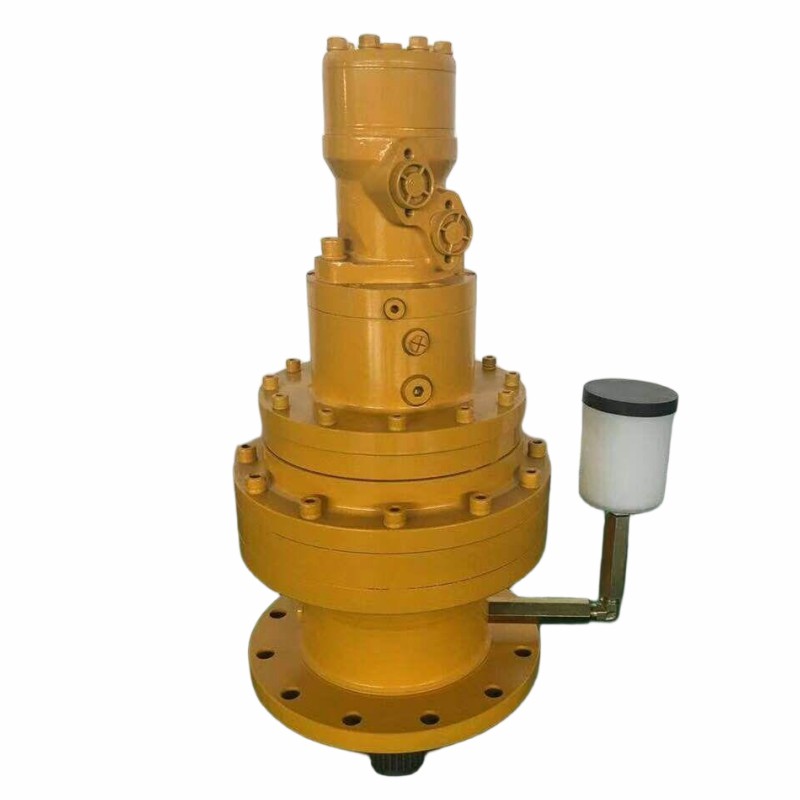
Brevini offers a wide range of planetary gearboxes, such as the Brevini Ed2090, Brevini Ed2065, and Brevini Et3250. Each model is designed to meet different industrial applications, from heavy - duty construction machinery to precision automation equipment.
Why Parallelism Matters
The parallelism between the input and output shafts of a Brevini planetary gearbox is crucial for several reasons. Firstly, proper parallelism ensures smooth and efficient power transmission. When the shafts are parallel, the gears within the gearbox can mesh correctly, reducing friction and wear. This leads to a longer service life of the gearbox and less energy loss during operation.
Secondly, parallelism affects the overall performance and accuracy of the machinery in which the gearbox is installed. In applications where precise motion control is required, such as robotics or CNC machines, even a small deviation in shaft parallelism can cause significant errors in positioning and movement.
Finally, maintaining parallelism helps to reduce noise and vibration. Misaligned shafts can cause uneven loading on the gears, resulting in increased noise levels and vibrations. These vibrations can not only be a nuisance but also potentially damage other components of the machinery over time.
The Parallelism Requirement
The parallelism requirement for the input and output shafts of a Brevini planetary gearbox is typically specified in terms of angular deviation and axial displacement. The allowable angular deviation is usually very small, often in the range of a few arc - minutes. This means that the axes of the input and output shafts should be as close to parallel as possible.
Axial displacement, which refers to the relative position of the shafts along their axes, also needs to be within a certain tolerance. Excessive axial displacement can cause the gears to bind or wear unevenly, leading to premature failure of the gearbox.
The specific parallelism requirements can vary depending on the model and size of the Brevini planetary gearbox, as well as the application in which it is used. For example, gearboxes used in high - precision applications may have more stringent parallelism requirements compared to those used in less critical applications.

Measuring and Ensuring Parallelism
Measuring the parallelism of the input and output shafts requires specialized tools and techniques. One common method is to use a dial indicator. The dial indicator is placed in contact with the shaft surface, and the shaft is rotated. By measuring the variation in the indicator reading, the angular deviation and axial displacement can be determined.
To ensure parallelism during installation, it is important to follow the manufacturer's guidelines carefully. This may include using alignment fixtures or jigs to position the gearbox correctly. Additionally, regular maintenance and inspection are necessary to detect any changes in shaft parallelism over time.
Impact of Non - Compliance
If the parallelism requirements are not met, several problems can occur. As mentioned earlier, misaligned shafts can lead to increased friction, wear, and noise. This can result in a shorter service life of the gearbox and more frequent maintenance requirements.
In some cases, severe misalignment can cause the gearbox to fail catastrophically. This can lead to costly downtime for the machinery and potential damage to other components. Therefore, it is essential to ensure that the parallelism requirements are met during installation and throughout the service life of the gearbox.
Tips for Maintaining Parallelism
- Proper Installation: During the installation process, make sure that the mounting surface is flat and clean. Use shims or other adjustment methods to ensure that the gearbox is level and properly aligned.
- Regular Inspection: Periodically inspect the shaft parallelism using appropriate measuring tools. This can help detect any early signs of misalignment and allow for timely corrective action.
- Avoid Overloading: Overloading the gearbox can cause the shafts to deflect, leading to misalignment. Make sure that the gearbox is used within its rated capacity.
- Environmental Considerations: Extreme temperatures, humidity, and vibration can also affect shaft parallelism. Take appropriate measures to protect the gearbox from these environmental factors.
Conclusion
The parallelism requirement of the input and output shafts of a Brevini planetary gearbox is a critical factor that affects its performance, reliability, and service life. As a supplier, I understand the importance of providing customers with accurate information and support regarding these requirements.
If you are considering purchasing a Brevini planetary gearbox for your application, or if you have any questions about shaft parallelism or other technical aspects, please feel free to contact us for further discussion. We are committed to helping you select the right gearbox and ensuring its proper installation and operation.
References
- Brevini Technical Manuals
- Industry Standards for Planetary Gearbox Installation and Maintenance